Pollinators and Sustainability: Creating a Bee and Butterfly Friendly Garden
Discovering the Importance of Pollinators
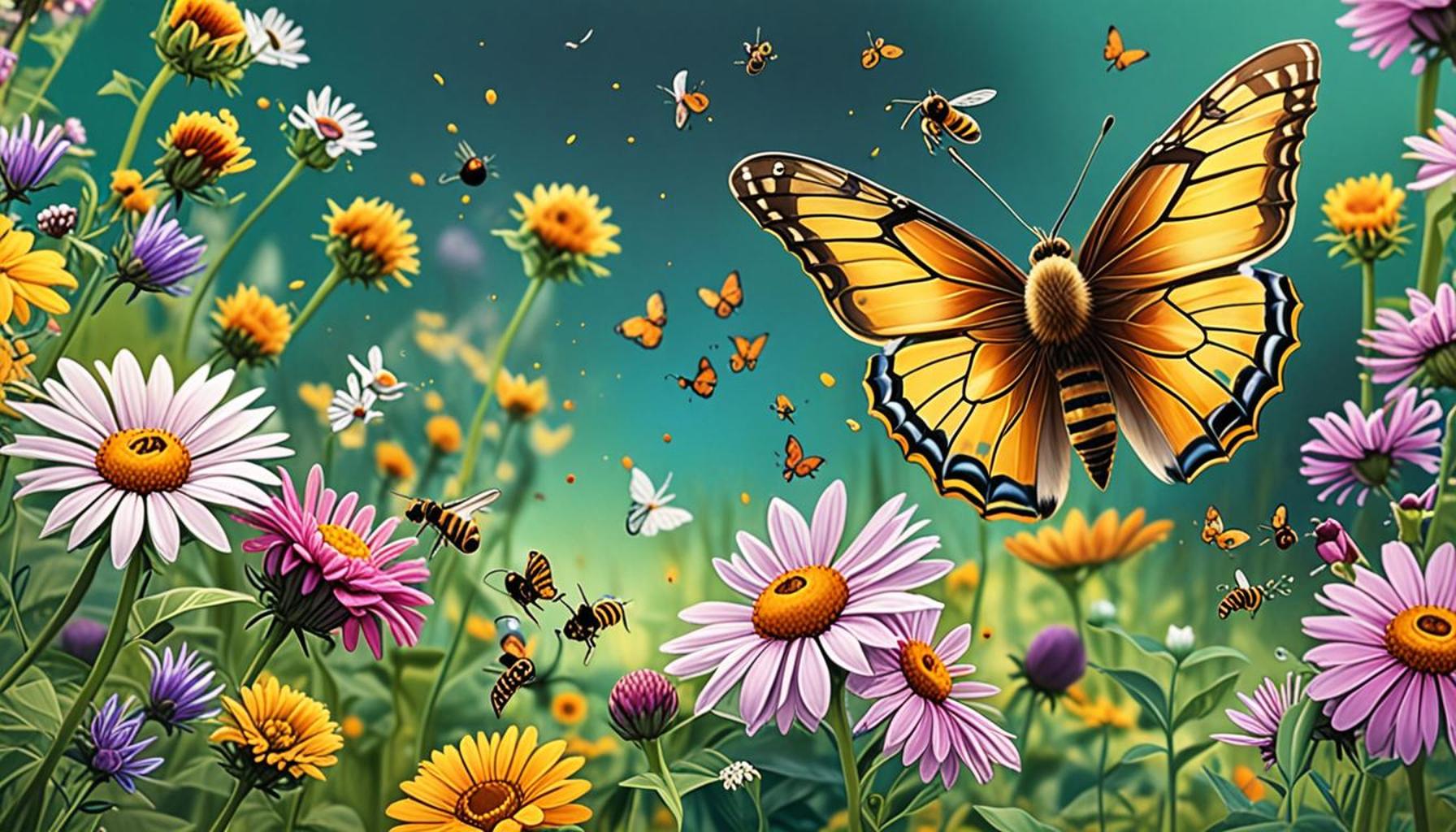
In the delicate balance of our ecosystem, pollinators play a vital role. Bees, butterflies, bats, and other pollinators contribute significantly to the reproduction of numerous plants, serving as both food sources for diverse wildlife and essential components of our agricultural systems. The United States alone depends on around 150 crops, including berries, almonds, and apples, that require pollination, showcasing the profound impact these creatures have on our food supply and overall economy.
With growing concerns over the alarming decline in pollinator populations—attributed to habitat loss, pesticide use, and climate change—creating a bee and butterfly friendly garden has never been more essential. Gardening practices that prioritize sustainability can foster environments where these essential creatures can thrive, providing them with safe habitats and key resources such as nectar and pollen.
Why Focus on Pollinators?
- Food Security: Over one-third of the food we consume relies on pollination, underscoring the crucial link between healthy pollinator populations and food availability. For example, the U.S. beekeeping industry plays a pivotal role in ensuring the pollination of crops, contributing approximately $15 billion in value annually.
- Biodiversity: Pollinators help maintain ecosystem variety and health. Their actions promote plant diversity, which is foundational for wildlife habitats and contributes to resilience against environmental challenges.
- Climate Adaptation: A thriving pollinator population aids in plant resilience against climate variability. Diverse plant life can better withstand extreme weather events, making ecosystems more robust in the face of climate change.
By understanding the specific needs and preferences of pollinators, gardeners can create inviting environments that support sustainable gardening. For instance, incorporating native plants is crucial as these are adapted to local climates and soil conditions, making them more beneficial for local pollinator species. Additionally, reducing pesticide use can significantly help avoid harmful effects on pollinators. Providing shelter, such as nesting blocks for solitary bees and water sources, enhances the habitat’s suitability for these helpful insects.
Join the movement to protect pollinators and cultivate an environment where both flora and fauna can thrive. Making small changes in gardening practices can yield significant benefits for these vital organisms. Exploring the world of bees and butterflies not only fosters a deeper appreciation for nature but also emphasizes our interconnectedness with all living beings. By coming together to support pollinators, we benefit our landscapes, our health, and the future of our ecosystems.
DISCOVER MORE: Click here to learn about integrating medicinal plants in your garden
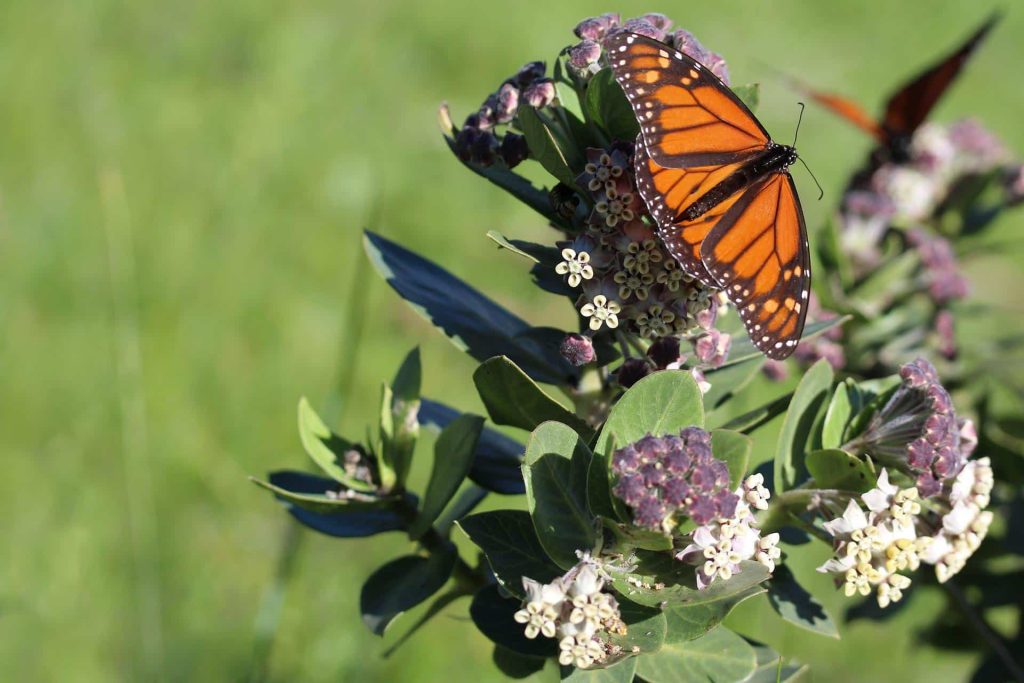
Creating a Habitat for Pollinators
To effectively support pollinators and enhance sustainability, creating a garden that caters specifically to the needs of bees and butterflies is essential. These delicate creatures thrive in environments rich in biodiversity, where they can find food sources, safe nesting spots, and adequate shelter. Understanding their specific preferences is key to designing a successful functionally diverse garden that not only attracts these vital insects but also contributes to their well-being.
The Role of Native Plants
One of the most impactful steps gardeners can take is to incorporate native plants into their gardens. Native plants are well-suited to local ecosystems due to their adaptations to climate and soil conditions, making them more resilient and beneficial to local wildlife. Research shows that native flowering plants can directly enhance the success of pollinators by offering abundant nectar and pollen throughout the growing season.
- Adaptability: Native plants typically require less water and fewer chemicals, promoting a healthier environment.
- Lifecycle Synchronization: These plants often bloom in alignment with the lifecycle of local pollinators, providing food when insects need it most.
- Habitat Support: Native vegetation supports a wider range of insect species, leading to a healthier and more vibrant garden ecosystem.
Reducing Pesticide Use
The widespread use of pesticides has become a significant factor contributing to the decline of pollinator populations. Many common agricultural and gardening practices can negatively impact these friendly insects. By taking proactive measures to reduce pesticide usage, we can create safer environments where bees and butterflies can flourish:
- Integrated Pest Management (IPM): Utilize natural pest control methods, such as introducing beneficial insects like ladybugs, which help manage pests naturally.
- Selective Application: If pesticides must be used, consider applying them at dusk or dawn when pollinators are less active, thus minimizing exposure.
- Organic Alternatives: Explore organic and biodegradable pest control options that are less harmful to beneficial insects.
Providing Water and Shelter
Beyond food sources, pollinators also require water and shelter to thrive. A thoughtful garden design includes various elements to meet these needs:
- Water Sources: Incorporate shallow dishes filled with water and stones for pollinators to perch on. This simple addition can make a huge difference in providing hydration.
- Natural Shelter: Leave patches of bare soil and incorporate dead wood or brush piles for solitary bees to nest in. These actions encourage biodiversity and support vital habitat.
- Flowering Structures: Planting clusters of the same species helps attract pollinators more effectively, as they locate food sources with greater ease.
By embedding these practices into your gardening routine, you can cultivate a thriving, bee and butterfly friendly habitat. Not only do these changes support the diverse population of pollinators, but they also create a lush, sustainable environment that enhances our natural world. Engaging with the needs of these creatures offers a deeper connection to our ecosystem, enriching our gardening experience while contributing to the pressing effort to safeguard pollinators.
| Advantages | Details |
|---|---|
| Enhanced Biodiversity | Creating a bee and butterfly friendly garden fosters a thriving ecosystem, promoting diverse plant and animal species. |
| Support for Pollinators | This garden promotes healthy populations of essential pollinators, crucial for the reproduction of many flowering plants and crops. |
| Educational Opportunities | Gardening encourages community involvement, offering the chance to learn about sustainability and pollinator behavior. |
| Beauty and Aesthetic Appeal | A bee and butterfly friendly garden can transform spaces with vibrant colors and delightful scents, creating visual interest and enjoyment. |
The act of creating an inclusive environment for pollinators not only enhances the appeal of our gardens but also provides critical support for their survival. By incorporating plants that attract bees and butterflies, we can facilitate pollination, a vital process that underpins our food systems and natural ecosystems. Given the concerning decline in pollinator populations, gardens that are specifically designed for these creatures serve as vital sanctuaries. Additionally, such gardens can act as educational tools, fostering an appreciation for nature while empowering local communities to engage in conservation efforts. The adoption of sustainable gardening practices also reduces our ecological footprint and contributes meaningfully to the fight against climate change. Engaging with local schools and community groups to teach about the importance of pollinators is another way to enhance the impact of these initiatives. As the popularity of native plants and organic gardening techniques increases, the movement toward creating bee and butterfly friendly spaces will undoubtedly grow, positively influencing our environment and future generations.
LEARN MORE: Click here to uncover the secrets of choosing the ideal soil
Enhancing the Ecosystem: More Than Just a Garden
In addition to the fundamental elements of a bee and butterfly friendly garden, expanding our understanding of ecological interdependencies is crucial in fostering a rich environment for pollinators. When we set out to create these habitats, we must consider how our gardens fit into the larger ecosystem. This holistic approach not only aids pollinators but also invites a diverse range of wildlife, promoting sustainability over time.
Encouraging Biodiversity
One of the most significant benefits of a pollinator-friendly garden is the opportunity to enhance biodiversity. A diverse ecosystem is often more resilient and better equipped to handle environmental changes. Plant diversity can lead to a healthier soil environment, which is essential for flourishing plant life and the creatures that depend on them. To achieve this, gardeners should consider planting a variety of nectar-rich flowers, herbs, and shrubs that flower at different times of the year:
- Seasonal Planting: Aim for a succession of blooms that lasts from early spring through fall. This strategy ensures that food is available for pollinators throughout their active periods.
- Planting for Purpose: Include a mix of annuals, perennials, and biennials to attract and retain various pollinator species. For example, sunflowers are popular with both bees and butterflies.
- Flower Shapes: Different pollinators have distinct preferences for flower structures. Flat-topped flowers like umbellifers attract hoverflies, while tubular flowers tend to attract hummingbirds and long-tongued bees.
Creating Pollinator Pathways
Considering the *urbanized landscape of America*, many pollinators are hindered by fragmented habitats. One way to combat this is by creating interconnected green spaces that facilitate movement, otherwise known as pollinator pathways. Here are a few strategies gardeners can adopt:
- Community Involvement: Work with neighbors to establish a network of pollinator-friendly gardens. These collective efforts maximize habitat connectivity, enabling pollinators to travel more freely between sources of food and nesting.
- Public Spaces: Advocate for local parks and community gardens to adopt pollinator-friendly practices by planting diverse flower beds and minimizing pesticide use.
- Green Corridors: Support initiatives that aim to connect fragmented habitats through green corridors, which can serve not just pollinators but other wildlife as well.
Education and Awareness
Educating others about the importance of pollinators and sustainable gardening practices is crucial for long-term success. By spreading awareness in communities, we can shift perspectives toward sustainable gardening practices:
- Workshops and Classes: Organize local workshops on creating pollinator gardens, sharing techniques, and introducing participants to native plants. Community knowledge fosters a greater appreciation for biodiversity.
- Social Media Campaigns: Leverage platforms like Instagram and Facebook to share tips, showcasing beautiful gardens that support pollinators. Engaging visuals can inspire others to take action.
- School Programs: Collaborate with schools to create educational gardens where students can learn about the importance of pollinators and ecological stewardship firsthand.
By viewing our gardens through the lens of an enhanced ecosystem, we enable not only bees and butterflies to thrive but also contribute to the overall health of our environment. Achieving sustainability is a shared journey, one that requires a community effort to ensure the preservation of our crucial pollinator companions. This comprehensive focus yields boundless rewards, offering a beautiful tapestry of life and color in our gardens while creating a profound impact on our ecological footprint.
DISCOVER MORE: Click here to learn about the best indoor plants for low light
Conclusion: The Vital Role of Gardens in Pollinator Preservation
In conclusion, creating a bee and butterfly friendly garden is not merely an aesthetic endeavor; it plays a crucial role in fostering environmental sustainability and enhancing biodiversity. As our ecosystems face ongoing threats from habitat loss and climate change, the responsibility lies with each one of us to make intentional choices that can lead to meaningful change. By incorporating native plants, implementing sustainable gardening practices, and designing our gardens to support a variety of pollinators, we create a sanctuary that nurtures not just our beloved bees and butterflies but also other wildlife.
The act of gardening becomes a powerful tool for educating our communities about the importance of pollinators. Through workshops, social media campaigns, and collaborations with schools, we can inspire a collective shift towards eco-conscious practices. Furthermore, by establishing pollinator pathways that connect fragmented habitats, we ensure that these essential creatures can thrive, moving freely between resources essential for their survival.
Gardens therefore become vibrant ecosystems that reflect our commitment to sustainability. As we work together, transforming our outdoor spaces into havens for biodiversity, we contribute significantly to the health of our planet. The beauty of a flourishing garden is matched only by the crucial role it plays in pollinator preservation, presenting an opportunity for each of us to be stewards of the Earth. As we cultivate these spaces, let us remember: the future of our pollinators—and subsequently our environment—rests in our hands.