Propagation Techniques for Beginners: Multiplying Your Indoor Plants
Unlocking the Secrets of Plant Propagation
If you ever wondered how to multiply your indoor plants effortlessly, you’re in the right place. Propagation is not just a cost-effective way to expand your green space, but it also enhances your connection to nature. By learning simple techniques, you can transform your indoor gardening experience.
Why Propagation Matters
Understanding propagation is essential for every indoor plant enthusiast. Here are a few compelling reasons:
- Cost-Effective: Save money by creating new plants from existing ones. Instead of purchasing expensive plants from a nursery, you can propagate them at home using clippings or offshoots. For example, many popular houseplants like pothos, spider plants, and succulents propagate easily using just a leaf or stem cutting.
- Increased Variety: Experiment with different species and varieties. Consider the joy of transforming your single pothos plant into several variants, including the golden pothos and the marble queen. This not only diversifies your collection but also cultivates a deeper appreciation for plant care.
- Gift Potential: Share your passion with friends and family. A beautifully potted propagated plant makes for a thoughtful and personal gift. You can even host a “plant swap” event with friends, where everyone brings their extra cuttings to trade, fostering a sense of community among fellow plant lovers.
Whether you’ve just started your plant journey or are looking to expand your collection, mastering propagation techniques is a game-changer. From leaf cuttings to water propagation, the methods are accessible and rewarding. For instance, water propagation involves placing cuttings in a glass of water where roots will develop before being transferred to soil. In contrast, soil propagation entails placing cuttings directly into the potting medium, which can speed up the rooting process for some plants.
Ready to Get Started?
Get your gardening gloves on! This guide will walk you through fundamental propagation techniques tailored for beginners. We will explore various methods, provide step-by-step instructions, and share tips to ensure your success in multiplying your indoor plants.
One popular method is using a simple stem cutting. Begin by selecting a healthy stem from your plant, and using clean, sharp scissors, snip off a segment that is about 4-6 inches long. Ensure that this piece includes a few leaves and at least one node, as those are vital for root development.
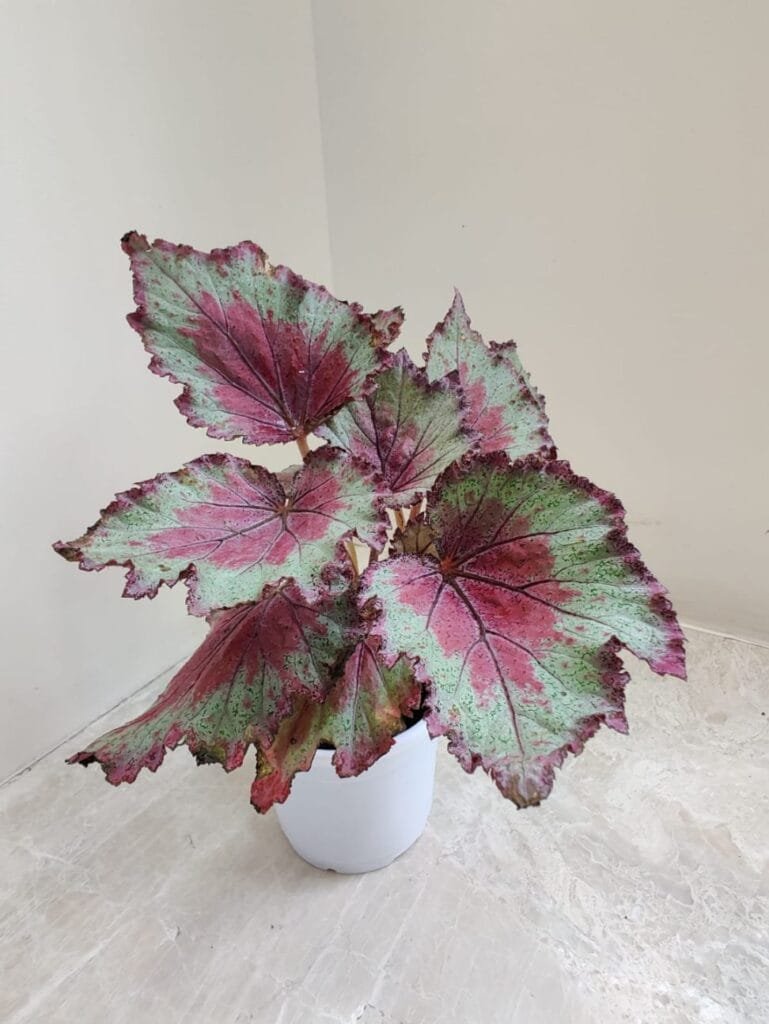
After cutting, remove the leaves from the lower part of the stem to prevent them from rotting once placed in the growing medium or water. Place the cutting in water, making sure the node is submerged, and set it in a spot with indirect sunlight. Within a few weeks, you should start to see roots forming, signaling that it’s time to pot your new plant.
To elevate your propagation game, consider experimenting with different environments. For example, some enthusiasts use humidity domes to maintain moisture levels, especially for more sensitive species. The key to successful propagation is observation—watch for signs of growth, and don’t hesitate to adjust your approach as necessary.
DISCOVER MORE: Click here to learn how to create a stunning vertical garden
Essential Propagation Techniques for Beginners
As you dip your toes into the world of indoor plant propagation, understanding the various methods available is crucial. Each technique has its unique advantages, suited to different types of plants. Here, we will explore the two most popular methods: stem cuttings and leaf cuttings, both of which are perfect for beginners keen to multiply their indoor plants.
Mastering Stem Cuttings
Stem cuttings are perhaps the easiest way to start your propagation journey. This technique not only shares the same genetic structure as the mother plant but also allows for faster growth in many cases. To successfully take a stem cutting, follow these essential steps:
- Choose the Right Plant: Begin with healthy plants that are free from diseases or pests. Popular choices for stem cuttings include pothos, philodendrons, and snake plants.
- Make the Cut: Use clean, sharp scissors or pruners to cut a section of the stem approximately 4-6 inches long. Ensure that the cutting includes at least one node, as this is where the roots will emerge from.
- Prepare the Cutting: Remove any leaves from the lower part of the stem to prevent rot. This step helps direct the plant’s energy into creating roots instead of sustaining leaves that are submerged in water or soil.
- Propagation Medium: Place the cutting in either water or moist potting soil. If using water, ensure that the node is fully submerged, while in soil, bury the cutting up to its first set of leaves.
- Provide the Right Environment: Position the cutting in a location with bright, indirect sunlight. Too much direct light can scorch the cutting, while too little can hinder growth. Additionally, maintaining humidity levels can be beneficial, especially for tropical species.
- Patience is Key: Roots may take a few weeks to develop, so be sure to check on your cutting regularly. Once roots reach about 2-3 inches in length, it’s time to transfer your new plant into its own pot.
Once comfortable with taking stem cuttings, you might want to experiment with leaf cuttings. This method is especially useful for plants like succulents and African violets, where a single leaf can produce an entirely new plant. For leaf cuttings, select a healthy leaf, cut it carefully, and allow it to callous over for a few days before placing it in the propagation medium. Over time, roots will emerge, eventually leading to a thriving new plant.
Each propagation method offers its unique benefits, making it exciting to explore which works best for your indoor plant collection. Successful propagation not only multiplies your plants but also enhances your gardening skills and deepens your connection with nature.
| Propagation Technique | Advantages |
|---|---|
| Stem cuttings | Easy initiation and extremely effective for many indoor plants such as pothos and succulents. |
| Leaf cuttings | Cost-effective and takes minimal space, making it great for both beginners and experienced gardeners. |
| Division | Rapid multiplication of plants that form clumps, such as ferns and snake plants. |
| Water propagation | Visually appealing method allowing enthusiasts to monitor root growth in real-time. |
Understanding various propagation techniques is essential for every indoor gardening enthusiast. Techniques like stem cuttings and leaf cuttings not only multiply your plant collection but also cater to your design preferences, creating a lush indoor environment. Utilizing methods such as division enables you to effectively manage space while ensuring your plants thrive. The water propagation technique allows for easy observation of root development, bringing a sense of involvement and excitement to the process.Moreover, mastering these techniques enriches your knowledge of plant biology and boosts your confidence in growing a diverse range of species. The rewarding experience of seeing your efforts come to life will certainly motivate you to explore even more advanced propagation strategies in the future. Delving into propagation techniques not only enhances your gardening skills but also contributes significantly to your overall indoor garden aesthetic.
DISCOVER MORE: Click here to learn about vertical gardening techniques
Exploring Additional Propagation Techniques
Beyond stem and leaf cuttings, several other propagation techniques can enhance your skills as an indoor gardener. As you delve deeper into the world of plant multiplication, consider these methods: division, offsets, and air layering, each of which can yield impressive results with a bit of practice.
Plant Division: A Simple Approach
Plant division is an efficient method for propagating many perennial plants. This technique works exceptionally well for species such as ferns, hostas, and peace lilies. By splitting the root ball of an existing plant, you can create multiple new specimens. Here’s an easy guide to get you started:
- Timing: Choose the right time to divide your plants, ideally during the growing season in spring or early fall when they are most active.
- Prepare the Tools: Use a sharp spade or garden knife, ensuring it is clean to minimize the risk of disease.
- Remove the Plant: Gently extract the entire plant from its pot, shaking off excess soil. Be cautious not to damage the roots.
- Separate the Roots: Carefully tease apart the roots with your hands. Aim to create sections, each with a healthy set of leaves and roots.
- Repotting: Immediately place each division into its own pot filled with fresh, well-draining potting soil, and water them appropriately.
Offsets: A Quick Fix for Succulents
Offsets are little clones that develop at the base of some succulent plants, like aloe vera and haworthia. This method is straightforward and can be incredibly rewarding, particularly for succulent enthusiasts:
- Identify Offsets: Look for small plants (offsets) growing around the base of the parent plant.
- Remove Carefully: Use clean scissors or a sharp knife to cut the offset from the main plant, making sure to include some roots if possible.
- Drying Time: Allow the offset to callous over for a few days to prevent rot when planted.
- Replanting: Place the offset in a small pot with succulent soil, keeping it in bright, indirect sunlight.
Air Layering: A More Advanced Technique
If you’re feeling adventurous, air layering can be a thrilling method to propagate plants that do not root well from cuttings. It’s particularly effective for larger plants like rubber trees and ficus species:
- Choose a Healthy Stem: Find a robust stem that is at least one year old. A section with a leaf node is preferable for successful rooting.
- Make an Incision: Carefully make a shallow cut around the stem about one-third of the way through and apply rooting hormone to the exposed area.
- Wrap it Up: Moisten sphagnum moss and wrap it around the wound, securing it with plastic wrap or aluminum foil to maintain humidity.
- Wait for Roots: Monitor the setup and replace the moss if it dries out. Roots will take a few weeks to develop, at which point you can cut the stem below the new roots and pot it up.
Each propagation technique opens up a new world of possibilities and growth for your indoor garden. Whether you prefer the simplicity of stem cuttings or the thrill of air layering, these methods provide valuable experiences and opportunities to expand your plant collection.
DISCOVER MORE: Click here for water-saving tips
Conclusion: Your Journey in Plant Propagation Awaits
In conclusion, embracing propagation techniques not only enriches your indoor garden but also enhances your relationship with nature. As you have discovered, methods such as stem cuttings, plant division, offsets, and air layering can transform your collection, allowing you to multiply your plants and share your passion with friends and family.
Each technique carries its unique appeal, inviting you to learn and adapt as you cultivate your knowledge. Remember, patience is crucial; the joy of watching new roots develop and fresh leaves unfurl can be incredibly rewarding. As you experiment with these methods, keep an eye on the specific needs of each plant species. Some may thrive from quick fixes like offsets, while others may flourish with the patience required for a well-executed air layering.
Moreover, successful propagation can lead to a deeper appreciation for the intricate life cycle of plants, fostering a sense of achievement and connection to your leafy companions. Don’t hesitate to explore even further—consider the mulch and soil conditions, light requirements, and humidity levels that can optimize your results. Your indoor gardening journey is just beginning, and each propagation project can be an opportunity for discovery and creativity.
So grab your tools, channel your enthusiasm, and let the world of indoor plant propagation open new doors. Whether you’re a budding gardener or a seasoned plant lover, there is always something new to learn and discover in this vibrant endeavor. Happy propagating!