Menu

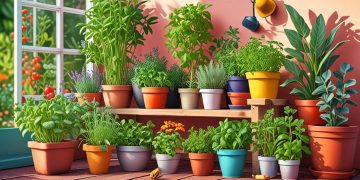
Cultivating a Sustainable Herb Garden: Tips for Beginners in Home Gardening

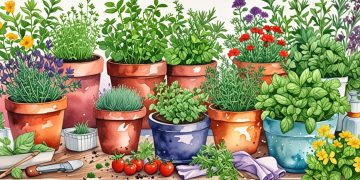
Discover essential tips for cultivating a sustainable herb garden at home. Learn about selecting the right herbs, ensuring healthy soil, efficient watering, and natural pest control methods. Embrace eco-friendly practices to enhance your culinary creations and promote biodiversity, creating a thriving gardening experience that benefits both you and the environment.

Regenerative Gardening Practices: Transforming Your Garden into a Sustainable Ecosystem

Explore the transformative power of regenerative gardening practices that promote sustainability and ecological balance. By enhancing soil health, conserving water, and fostering biodiversity, these innovative techniques empower gardeners to create vibrant ecosystems while combating climate change and encouraging community engagement in sustainable practices.

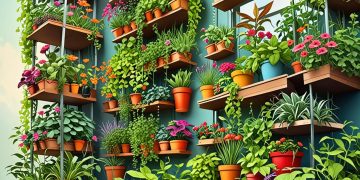
Vertical Gardening Techniques to Maximize Space at Home Sustainably

Explore innovative vertical gardening techniques to maximize space sustainably in your home or urban environment. From wall-mounted planters to hydroponic systems, these methods enhance aesthetics, promote self-sufficiency, and contribute to eco-friendly living. Transform limited areas into lush green sanctuaries while enjoying fresh produce and cleaner air.

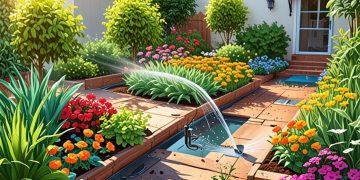
How to Implement Efficient Irrigation and Reduce Water Waste in the Garden

Water scarcity concerns necessitate efficient irrigation methods to reduce waste in gardening. Techniques such as drip irrigation, rainwater harvesting, and greywater recycling optimize water use while promoting healthy plants. By embracing these sustainable practices, gardeners can conserve resources and create thriving landscapes in an eco-friendly manner.

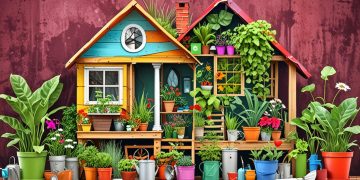
Using Recycled Materials in Creating Sustainable Gardens at Home

Enhance your outdoor space sustainably by using recycled materials in your home garden. This eco-friendly approach reduces waste, saves money, and inspires creativity, allowing you to create unique features like planters, seating, and pathways while contributing to environmental conservation and promoting a vibrant ecosystem.

Using Homemade Compost to Fertilize Your Sustainable Garden

Transform kitchen scraps and yard waste into nutrient-rich homemade compost to fertilize your sustainable garden. This eco-friendly practice enhances soil health, improves moisture retention, and reduces landfill waste, supporting vibrant plant growth while fostering a healthier environment. Embrace composting for a thriving, sustainable gardening experience.

The Importance of Biodiversity in the Home Garden and How to Promote Diverse Species

Enhancing biodiversity in home gardens is crucial for creating resilient ecosystems. By promoting diverse species through native plants, habitat creation, and sustainable practices, gardeners can boost pollinator presence, improve soil health, and attract beneficial wildlife, ultimately contributing to environmental conservation and a thriving garden.

Integrating Medicinal Plants in Your Garden: Benefits and Sustainable Care

Integrating medicinal plants into your garden enhances health and promotes sustainable care. These plants not only offer natural remedies and culinary delights but also create a thriving ecosystem. Embrace sustainable gardening practices to enrich your wellness while fostering a deeper connection to nature and biodiversity.

Cultivating an Herb Garden: Sustainable Practices for Beginners

Begin your journey into herb gardening with sustainable practices ideal for beginners. Discover how to select easy-growing herbs, prepare soil, and implement eco-friendly watering and maintenance techniques. Enjoy fresh, flavorful ingredients while contributing to a healthier environment through your own productive herb garden. Cultivating herbs enhances culinary experiences and promotes sustainability.

The Importance of Crop Rotation in Home Gardening and How to Implement It

Crop rotation is a vital practice for home gardeners, enhancing soil health, managing pests, and preventing diseases. By strategically alternating crops, gardeners can significantly boost productivity and sustainability. Implementing this technique leads to a vibrant ecosystem, fostering resilience and greater yields while promoting environmentally-friendly gardening practices.