Homegrown Cut Flower Arrangements: Cultivating and Creating at Home
Exploring the Beauty and Benefits of Homegrown Flowers
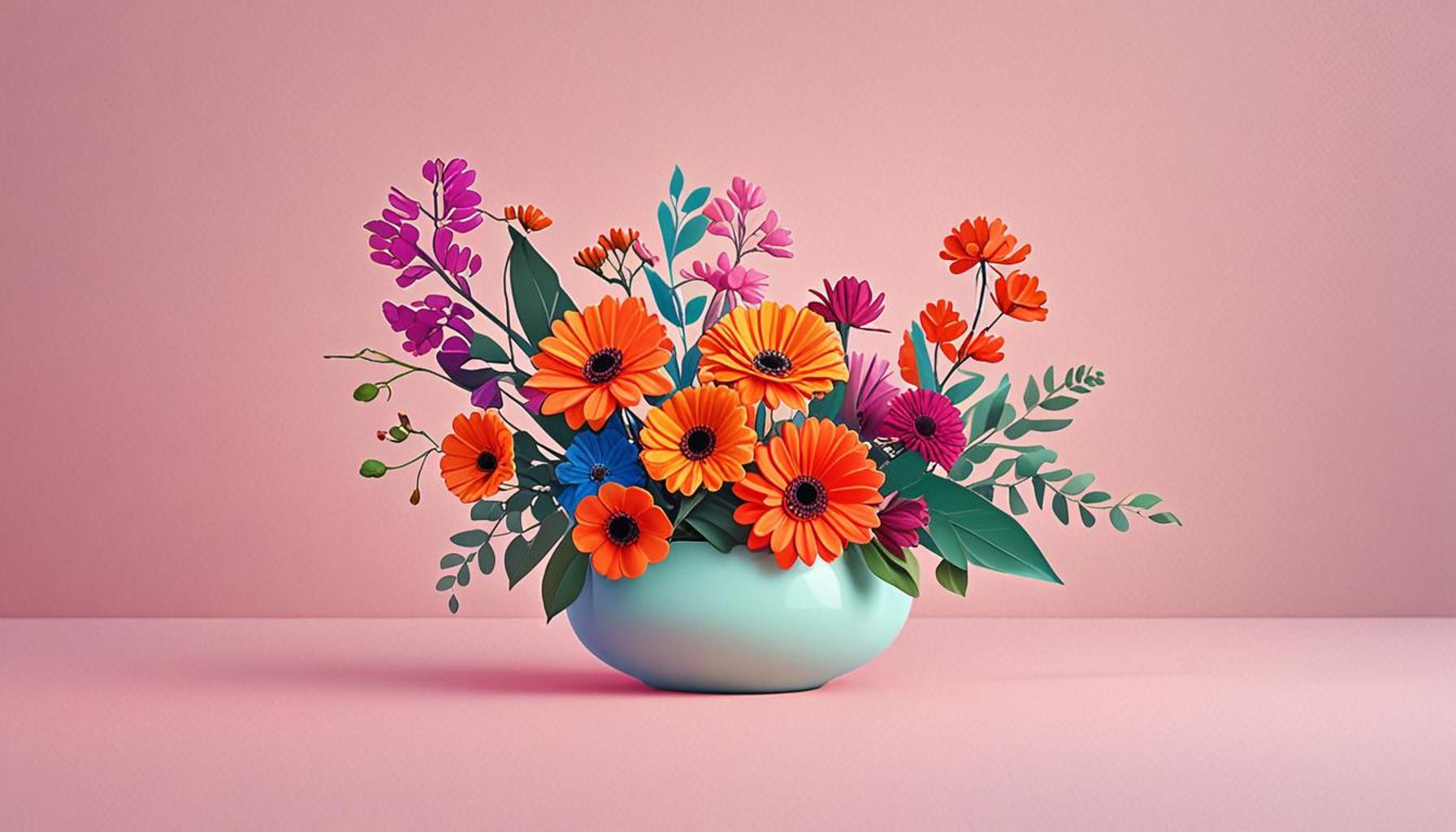
Imagine the joy of stepping into your backyard or balcony and selecting vibrant blooms to create exquisite cut flower arrangements for your home. With the right knowledge, tools, and a sprinkle of enthusiasm, anyone can transform their gardening space into a personal flower haven. The experience not only ignites joy but also nurtures a deeper connection with nature.
Homegrown cut flowers come with a plethora of benefits that extend beyond mere aesthetics. First and foremost, they are cost-effective. Instead of spending money at floral shops or supermarkets, you can invest in seeds and soil, cultivating a garden that provides ongoing blooms. For instance, a packet of zinnia seeds costing only a few dollars can yield an abundance of flowers. This economic efficiency is particularly appealing to families looking for budget-friendly ways to brighten their homes without sacrificing quality.
Another significant advantage is the variety of flowers you can cultivate. Unlike commercial flower markets, where you may find limited selections, you have the freedom to choose from a vast array of species, including unique choices like peonies, foxgloves, or even heirloom roses. Tailoring your garden to your personal taste while considering your local climate ensures a successful experience. For example, gardeners in the American Southwest might thrive with sun-loving varieties such as marigolds or desert lilies, while those in cooler regions can relish the blooms of tulips or lilacs.
Moreover, growing your own flowers has a positive environmental impact. By cultivating blooms at home, you minimize the carbon footprint often associated with flower transportation from far-flung regions. This small shift not only promotes sustainable gardening practices but also supports local ecosystems, attracting pollinators like bees and butterflies.
Tips for Cultivating Homegrown Blooms
Creating extraordinary floral arrangements is not merely a pastime; it is a fulfilling practice that enhances your living space and fosters creativity. To embark on this floral journey, you’ll find the following tips invaluable:
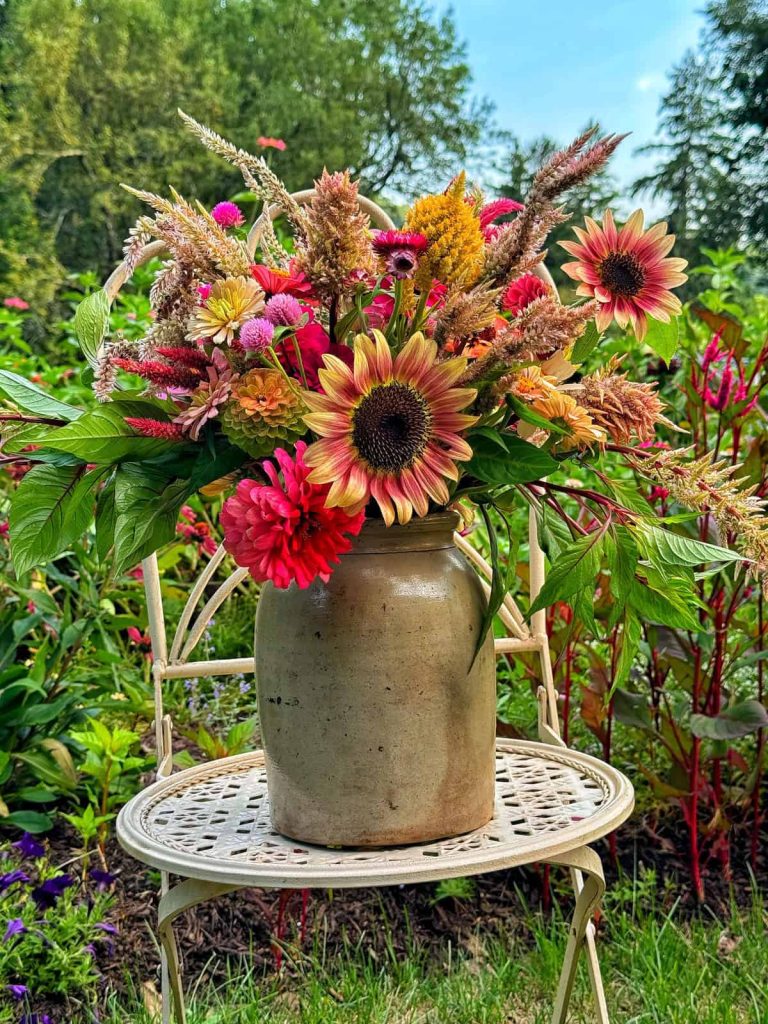
- Choose the Right Varieties: Opt for easy-to-grow and visually appealing flowers such as sunflowers, dahlias, and cosmos. Consider creating a planting strategy that includes a mix of perennials and annuals, providing lasting beauty with less seasonal upkeep.
- Learn Basic Techniques: Familiarize yourself with essential skills including cutting, conditioning, and arranging flowers for optimal display. Understanding how to properly cut stems and condition flowers can significantly extend their vase life, allowing you to enjoy your arrangements longer.
- Seasonal Planning: A well-thought-out garden calendar ensures blooms throughout the year. Incorporate flowers that bloom in different seasons to maintain a fresh supply of cut flowers. Early spring blossoms can be followed by mid-summer blooms, leading up to a colorful autumn display.
By embracing the journey of cultivating homegrown flowers, you unleash your creative potential while reaping the rewards of your efforts. Whether you are illuminating a gloomy corner of your home or crafting a centerpiece for your dining table, these blooms will not only invite beauty into your life but also serve as a testament to the love and care you’ve invested in your garden. So, pick up that trowel, and get ready to transform your gardening space into a blossoming masterpiece!
DIVE DEEPER: Click here to learn how to create your own terrarium
Essential Steps to Cultivate Your Flower Garden
Embarking on the journey of cultivating homegrown cut flowers requires an understanding of plant selection, soil preparation, and ongoing care. Each stage of this process plays a vital role in ultimately bringing your floral vision to life, whether you envision a vibrant summer bouquet or a sophisticated winter arrangement.
Choosing the Right Varieties is the first crucial step in your gardening adventure. It’s essential to select flowers that not only appeal to your aesthetic desires but also thrive in your local climate. In the U.S., the variety of climates means that flowers suitable for one region may not perform in another. For instance, gardeners in the Northeast can enjoy the elegance of peonies and hydrangeas, while those in the South might prefer the resilient beauty of zinnias and marigolds. Before planting, research hardiness zones in your area, which will help guide your selection process and ensure success.
Once you have selected your flowers, the next step involves preparing the soil. Healthy, nutrient-rich soil is foundational for robust plant growth. Start by testing your soil’s pH balance; most flowers thrive in a slightly acidic to neutral pH range of 6.0 to 7.0. Amend your soil with organic matter, like compost or well-rotted manure, to enhance fertility. This not only provides essential nutrients but also improves soil structure, allowing for better drainage. A good rule of thumb is to ensure your garden bed is well aerated and has adequate sunlight exposure, ideally at least six hours per day.
Watering and Maintenance play equally essential roles in cultivating your cut flowers. Consistent watering habits are critical, especially during the initial growth phase. Most flowers prefer deep, infrequent watering to stimulate root growth rather than frequent shallow watering. It’s also a good practice to mulch your flower beds to retain moisture and suppress weeds, minimizing competition for nutrients. Regularly observing your plants will alert you to any pest issues early on, allowing you to take action before they escalate.
Creating a Blooming Schedule
To keep your cut flower arrangements fresh throughout the year, employ a thought-out planting schedule. Here is a simplified plan to help you achieve year-round blooms:
- Spring: Start your garden with early bloomers such as tulips and daffodils. These light up the landscape and pave the way for what’s to come.
- Summer: Mid-summer varieties like sunflowers and dahlias thrive in the warm weather, producing striking blooms that are perfect for arrangements.
- Fall: As temperatures cool, consider planting asters or chrysanthemums, which provide vibrant color even as the seasons transition.
Participating in this gardening endeavor not only rewards your home with beauty but also fosters a sense of accomplishment as you eagerly await each bloom. By thoughtfully choosing varieties, preparing your garden space, and maintaining ongoing care, you will find delight in the flowers you harvest and arrange. So, dig in and celebrate the joys of cultivating your own cut flower paradise!
| Advantages | Impact on Creativity and Environment |
|---|---|
| Cost-Effective | Growing your own flowers significantly reduces costs compared to store-bought options. |
| Personalized Designs | Craft unique arrangements that reflect personal style and seasonal themes. |
| Environmental Benefits | Homegrown flowers reduce carbon footprint and promote biodiversity. |
| Health Benefits | Gardening promotes mental well-being and physical activity, enhancing overall health. |
Exploring the art of creating cut flower arrangements at home not only fosters a sense of connection with nature but also serves as a catalyst for improving your overall well-being. Engaging with this sustainable practice allows for an enhanced appreciation of the beauty around you while emphasizing custom creativity in floral design. By immersing yourself in the cultivation process, the fresh blooms that adorn your space become a testament to your dedication and artistry.Moreover, the journey of growing flowers empowers individuals to choose eco-friendly practices. Through organic gardening, the use of harmful pesticides can be minimized, leading to a healthier ecosystem. As you experiment with various flower combinations, the transformative power of nature is harnessed, creating stunning floral displays that brighten any environment. This emerging trend in home gardening encourages not just self-expression, but a mindful approach toward sustainable living.
DISCOVER MORE: Click here to learn how to enhance your space sustainably
Harvesting and Arranging Your Homegrown Flowers
After patiently nurturing your flower garden through the seasons, it’s time to reap the fruits of your labor. Harvesting flowers at the right moment and mastering the art of arrangement will allow you to create stunning displays that celebrate your hard work. Understanding the methods of proper harvesting and exploring various arrangement techniques can elevate your homegrown cut flower experience to new heights.
Timing Your Harvest
Knowing when to cut your flowers is essential for maximizing their lifespan and ensuring vibrant displays. The ideal time to harvest flowers is during the morning when temperatures are cool and the blooms are fully hydrated. For most species, aim for the time just after the buds begin to open but before they are in full bloom; this ensures the flowers will continue to open beautifully in your vase. For instance, sunflowers should be cut when the petals are just starting to lift away from the bud, while roses are best harvested when the first few petals start to unfurl.
For long-lasting blooms, use sharp, clean pruning shears or scissors to make a diagonal cut at the stem base. This provides a larger surface area for water absorption, delaying wilting and enhancing the freshness of your arrangements. Additionally, remove any leaves that would fall below the water line to prevent bacterial growth and keep your arrangement looking beautiful.
Techniques for Arrangement
Creating your cut flower arrangements involves more than just placing flowers in a vase; it’s an art form that allows you to showcase your creativity. Start by considering the principles of design, such as balance, proportion, and harmony. Here are a few ideas to inspire your arrangements:
- Color Schemes: Choose a color palette that resonates with your space or mood. Monochromatic arrangements can create a sophisticated look, while contrasting colors can add vibrancy and energy.
- Mixed Textures: Incorporate various flower types along with foliage to create depth and interest. For example, pairing soft petunias with structural sunflowers can make for a visually appealing contrast.
- Height Variation: Layer flowers of different heights to add dimension to your arrangement. Taller stems can be placed at the back or center while shorter blooms can define the foreground.
Don’t hesitate to experiment with seasonal themes; for instance, a cheeky pumpkin vase of autumn flowers can create a festive touch for your fall gatherings. Remember the language of flowers, too; you might inscribe special meanings to your arrangements using flowers like lavender for serenity or gerbera daisies for cheerfulness.
Maintaining Your Arrangements
To keep your arrangements looking fresh for as long as possible, change the water every two days and re-cut the stems at an angle. This regular maintenance helps prevent blockages and promotes hydration. If your arrangement includes foliage, ensure they’re not submerged in water, as this can lead to decay and bacterial growth.
Additionally, consider adding a flower preservative to the water. These simple solutions, available at garden centers, can enhance the longevity of your blooms and maintain their vibrant colors.
With a little patience and creativity, the joy of homegrown cut flower arrangements not only beautifies your living space but also nurtures a rewarding connection to nature. Delve into the bounty of your garden and celebrate each bloom as a testament to your efforts!
DISCOVER MORE: Click here to learn how to plan your vegetable garden
Conclusion: The Beauty of Homegrown Flourishes
In conclusion, the experience of homegrown cut flower arrangements is both a delightful creative outlet and an enriching connection to the natural world. By carefully cultivating a garden filled with a diverse spectrum of blooms, you embark on a journey filled with learning and satisfaction. Understanding the importance of harvesting techniques and arrangement methods can transform simple flowers from your garden into captivating centerpieces that breathe life into your home.
As you experiment with different color palettes, textures, and heights in your arrangements, you not only refine your artistic skills but also develop a deep appreciation for the beauty and intricacies of the flowers you grow. Don’t hesitate to allow each season’s unique character to illuminate your arrangements, whether it be through vibrant spring pastels or the rich tones of autumn. Embracing the language of flowers adds an extra layer of personal significance, making your creations not just aesthetically pleasing but also meaningful.
Ultimately, cultivating and arranging homegrown flowers represents a true celebration of nature, creativity, and personal expression. So gather your tools, unleash your imaginations, and immerse yourself in the fulfilling process of transforming your garden’s bounty into stunning displays that reflect your hard work and passion. As you create, remember, each bloom tells a story, and your garden is the canvas upon which extraordinary tales are crafted.