How to Preserve and Dry Flowers for Lasting Arrangements at Home
The Art of Preserving Flowers
In a world where moments pass quickly, finding ways to hold onto the beauty of nature can be incredibly rewarding. Flowers, with their vibrant colors and delicate structures, encapsulate significant experiences, such as weddings, anniversaries, or simply the joys of a blooming garden. By mastering the techniques of preserving and drying flowers, you can create timeless pieces that evoke memories and enhance your living space.
Each method of preservation offers its own unique benefits and aesthetic outcomes, allowing you to personalize your floral creations. Let’s delve deeper into some of the most popular techniques:
Air Drying
Air drying is perhaps one of the simplest and most accessible methods. Flowers are tied together in small bundles and hung upside down in a dry, dark area with good air circulation. This technique is ideal for flowers like lavender, strawflowers, and statice. As they dry, they maintain a rustic charm, making them perfect for farmhouse-style décor.
Pressing
Another cherished technique is pressing, which captures the intricate details and colors of flowers. This method involves placing flowers between the pages of a heavy book or using a flower press to flatten them. Pressed flowers can then be utilized in homemade greeting cards, framed art, or memory books. For instance, a pressed flower collage could serve as a beautiful gift or decorative piece that tells a personal story.
Microwave Drying
If you are pressed for time, microwave drying is a revolutionary method that can quickly dry flowers in just a few minutes. By placing flowers in a microwave-safe container with silica gel, you can achieve vibrant results. This technique is particularly effective for delicate blossoms like daisies or roses, preserving their vivid colors and shapes in a fraction of the time.
Silica Gel Drying
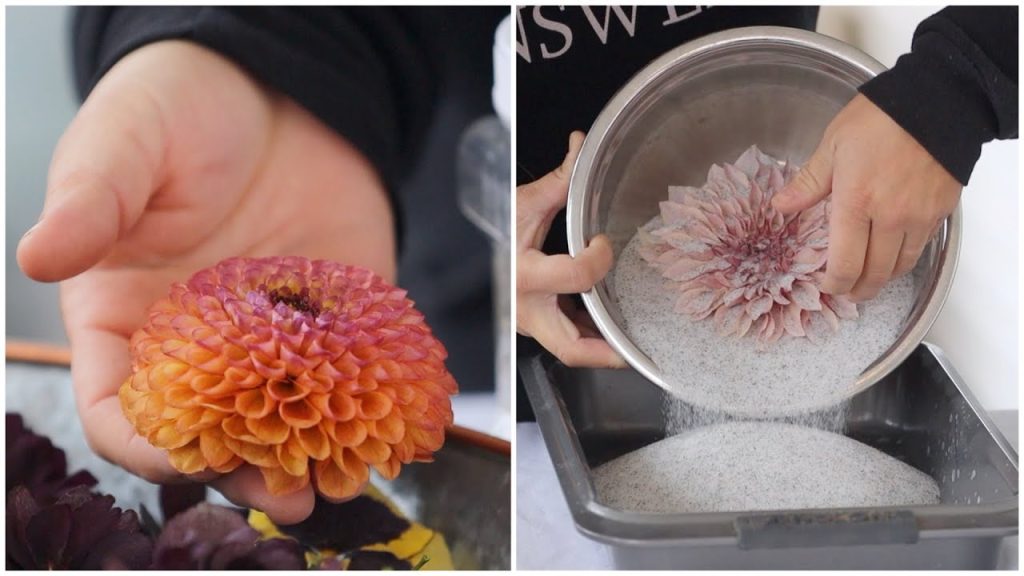
Silica gel drying is another excellent option for maintaining the color and form of your flowers. Silica gel absorbs moisture and protects delicate petals better than other methods. Simply bury the flowers in silica gel and let them sit for a few days. This method is particularly suited for flowers like orchids and tulips, which can lose their shape when air-dried.
Creative Uses for Dried Flowers
Once you’ve successfully dried and preserved your flowers, the possibilities for showcasing them are endless. Here are some creative ideas to inspire your endeavors:
- Wreaths: Craft seasonal wreaths that can become year-round fixtures on your front door. Dried flowers can add a personal touch to holidays, or simply brighten up your entryway.
- Wall Art: Create unique framed pieces that capture a special moment, perhaps a wedding bouquet or flowers from a significant event. These can serve as conversation starters and beautiful decor.
- Table Centerpieces: Incorporate dried flowers into your dining experience by using them as eye-catching centerpieces for dinner parties or casual meals, adding elegance and charm to your table settings.
Ultimately, embracing the world of dried flowers allows you not only to celebrate nature’s beauty but also to express your individual style. By experimenting with various preservation methods, you can curate stunning arrangements that will stand the test of time, bringing joy and warmth to your home.
DISCOVER MORE: Click here to learn about the benefits of indoor plants for your mental health
Mastering Flower Preservation Techniques
Understanding the nuances of different preservation methods is essential to achieving beautiful, lasting floral arrangements. Each technique has its strengths, catering to various flower types and personal preferences. In the following sections, we will explore how these methods work, the ideal flowers to use, and tips to maximize your results.
Air Drying: A Timeless Tradition
Air drying is a classic method that has been practiced for centuries due to its simplicity and effectiveness. To begin, select a bunch of flowers that are at their peak bloom. Avoid overly mature flowers, as they may not preserve well. After trimming the stems to approximately six inches, gather them in small bundles—three to five stems work best. Make sure to remove any excess foliage, as leaves can trap moisture and cause mold.
Next, find a location that is dark, dry, and has good air circulation, such as a closet or a well-ventilated room. Hang the bundles upside down using string or twine, ensuring they are spaced apart to prevent them from touching. Depending on the type of flowers and humidity levels, they may take anywhere from two weeks to a month to fully dry. Flowers like lavender, rosebuds, and hydrangeas respond particularly well to this method, maintaining their color and structure beautifully.
Pressing: A Decorative Option
Pressing flowers is a wonderful technique to immortalize their flat, intricate beauty. Ideal for flowers with thin petals, like pansies and daisies, this method can also serve as a creative outlet. To start, gather your fresh flowers and place them between two sheets of absorbent paper, such as parchment paper or coffee filters. Then, sandwich the papers within the pages of a heavy book or use a dedicated flower press.
For optimal results, apply weight on top of the book to ensure even pressure. Depending on the moisture in the flowers and the thickness of the petals, it may take one to four weeks to achieve proper dryness. Once pressed, these flowers can be used in various imaginative ways—from art to home décor, providing a unique touch to any setting.
Microwave Drying: Quick and Effective
For those who prefer a speedy approach, microwave drying is a practical solution. This method allows floral enthusiasts to dry flowers in mere minutes while preserving their vibrant colors. To get started, you’ll need a microwave-safe container filled with silica gel, a desiccant that absorbs moisture efficiently. Place the flowers upright in the container, ensuring they are surrounded by the silica gel.
Cover the container and place it in the microwave. Start with short intervals—around 30 seconds—and check for dryness. Depending on the flower type and microwave wattage, this process may take anywhere from one to five minutes. Delicate flowers such as carnations and tulips are particularly suited for this technique, capturing their beauty swiftly without loss of color.
Silica Gel Drying: Preserving Perfection
In addition to microwave drying, silica gel drying itself can be done without the microwave for those looking to exert more control over the drying process. This technique offers significant advantages, as the silica gel helps maintain the flower’s original shape and color. To utilize this method, simply select a container with a tight-fitting lid, fill it with silica gel, and place the flowers inside, ensuring they are fully buried.
Allow the flowers to sit undisturbed for several days before gently removing them. This method is ideal for retaining the visual appeal of more fragile blooms, such as orchids and peonies, which might otherwise not withstand the rigors of air drying.
By mastering these preservation techniques, you’ll be well on your way to creating stunning, long-lasting floral arrangements that can brighten your home and preserve memories for years to come.
When it comes to creating beautiful and lasting arrangements at home, understanding different preservation methods is essential. Each technique brings its unique charm and characteristics to the table. Here, we explore some popular methods and their specific benefits, guiding you towards the perfect approach for your floral projects.
Common Flower Drying Techniques
One of the most traditional methods is air drying. Flowers are hung upside down in a cool, dark, and well-ventilated area. This technique enhances the natural colors and shapes, allowing you to retain the flowers’ beauty. However, patience is key, as this process can take several weeks. On the upside, it requires no special materials—just string or twine to suspend your blooms.Another highly effective approach is using silica gel, a desiccant that absorbs moisture quickly. By submerging your flowers in this gel, you can halt the wilting process and maintain vibrant colors more effectively than air drying. Silica gel is especially beneficial for delicate flowers that may lose shape during air drying. This method is usually faster and takes only a few days to achieve excellent results.If you are looking for a modern twist, consider using a microwave for quick drying. This process uses heat and moisture removal in a matter of minutes rather than days. To do this, place your flowers between two absorbent paper towels and microwave them in short bursts. Although this method can be less forgiving, it allows for experimentation and creativity without a lengthy waiting period.Properly dried flowers can later be used in a variety of arrangements, from wreaths to centerpiece displays, adding a touch of nature and personal flair to your home decor. You can even incorporate dried flowers into seasonal decorations, creating a vibrant ambiance year-round. To elevate your arrangements, consider combining different flowers and using complementary colors for visual interest. Mixing textures, shapes, and sizes will create dynamic displays that captivate the eye. Experimenting with different preservation methods can ensure that your dried flower arrangements remain stunning and relevant long after their fresh counterparts have faded. So roll up your sleeves, gather your blooms, and explore the art of flower preservation! This creative endeavor not only promotes sustainability by reducing waste but also allows you to relive beautiful memories through the lasting beauty of dried flowers. For further tips and insights on specific flowers to dry and preserve effectively, continue reading our guide on the best blooms for long-lasting arrangements.
DISCOVER MORE: Click here to learn about the benefits of cultivating native plants
Preserving Flowers with Natural Solutions
While traditional methods like air drying and pressing are effective, incorporating natural solutions can enhance the preservation process while adding an aromatic touch. These eco-friendly methods celebrate the qualities of flowers and offer a unique means of preservation. Below, we delve into a few popular natural techniques that can infuse your arrangements with charm and longevity.
Glycerin Preservation: Flexibility and Beauty
Glycerin preservation is a remarkable technique that not only retains the colors of your flowers but also maintains their soft texture. This is particularly beneficial for foliage and flowers such as eucalyptus, magnolia, and roses. To begin this method, mix one part glycerin with two parts warm water in a container. Then, trim your flower stems at a 45-degree angle and place them in the mixture, ensuring that all stems are submerged.
Over a period of several days to weeks, the glycerin will gradually replace the water in the plants, allowing them to maintain a flexible, natural appearance. Periodically check the flowers, and when the stems feel pliable and the leaves are no longer crisp, they’re ready to use in arrangements. Glycerin preservation is not only a way to retain beauty but also gives flowers a soft, lush look, making them ideal for elegant indoor displays.
Water Drying: The Beauty of Nature
Water drying, another enchanting method, involves submerging flowers in water to create a unique, whimsical aesthetic. This method works best with flowers that have thick stems and can endure a bit of moisture, such as roses, calla lilies, and daisies. To use this technique, prepare a jar or container full of water, leaving enough room for the flowers to stand upright without overcrowding each other. Simply place the flowers in the water and allow them to sit for a few days.
Over time, the flowers will absorb water and might even dry out in a fascinating way, often resulting in a preserved floral arrangement with an alluring charm. Water drying allows for a creative twist on traditional arrangements and may inspire unique designs that celebrate nature’s beauty in an unconventional form.
Hybrid Techniques: Combining Methods for Best Results
For the truly adventurous, hybrid techniques can yield stunning outcomes by combining different preservation methods. For example, you might consider pressing certain flowers while air drying others to create a more diverse and textured arrangement. The combination of dried, pressed herbs along with air-dried flowers can provide a rich and varied visual experience.
Additionally, couples can try layering pressed flowers between sheets of glycerin-treated fabric for a creative touch. Achieving unique combinations through hybrid techniques lets you explore the craft of flower preservation, showcasing stunning results tailored to your personal style.
Choosing the Right Flowers for Preservation
When selecting flowers for preservation, understanding their qualities plays a pivotal role in their expected outcomes. For the best results, consider the following categories of flowers:
- Sturdy varieties: Flowers like heather, statice, and yarrow provide excellent texture and can withstand various preservation methods.
- Delicate blooms: Light petals like lilies and daisies work beautifully with pressing, offering intricate designs without compromising their beauty.
- Unique shapes: Flowers with interesting forms, such as proteas and artichokes, can offer stunning visual variety in arrangements.
By understanding which flowers work for each method, you can maximize your success in creating lasting floral arrangements at home. Each technique opens doors to creativity and personalization, enabling you to transform fleeting moments into cherished memories.
DISCOVER: Click here to learn about air-purifying indoor plants
Conclusion
In the world of floral arrangements, understanding how to preserve and dry flowers can be the key to creating truly lasting displays infused with personal touches. With the natural charm of methods such as glycerin preservation and water drying, combined with creative hybrid techniques, you can ensure that your floral treasures maintain their beauty and vibrancy long after they have been cut. Choosing the right flowers not only enhances the visual appeal but also optimizes the effectiveness of the preservation methods employed.
As you experiment with various techniques, remember that flower preservation marries art with science—each stem and petal offers a unique journey from living beauty to a timeless keepsake. The joy of transforming fleeting moments into enduring memories invites endless creativity, allowing you to reflect your own style along the way. So whether you cherish bold, sturdy blooms or delicate beauties, there is a method tailored just for you.
In exploring these preservation strategies, you not only enrich your home aesthetics but also embrace sustainability by reducing waste and showcasing nature’s wonders in a new light. Dive deeper into this enchanting craft, and let your preserved arrangements tell the story of the blooms you once admired, now immortalized for all to enjoy.