Medicinal Herbs at Home: A Beginner’s Guide to Cultivation and Use
Unlock the Secrets of Homegrown Wellness
Imagine stepping into your kitchen and picking fresh herbs tailored to your health needs. Medicinal herbs can transform your home into a sanctuary of natural healing, offering both aesthetic pleasure and various health benefits. With a small effort, you can cultivate a selection that not only beautifies your space but enhances your overall well-being. This journey into the world of homegrown wellness opens up a myriad of possibilities for health-conscious individuals and garden enthusiasts alike.
Why Grow Medicinal Herbs?
Growing your own medicinal herbs offers numerous benefits that extend beyond simple aesthetics. First and foremost, you gain access to fresh, organic remedies right at your fingertips. Many herbs lose potency when dried or shipped long distances; by cultivating them at home, you can enjoy their full benefits. Furthermore, it presents a cost-effective alternative to store-bought supplements. A mere packet of seeds can yield a bounty of health-promoting plants that could otherwise be expensive in stores.
Another pivotal aspect is the empowerment through knowledge and self-care. As you learn about the benefits and uses of various herbs, you develop a deeper understanding of holistic wellness. From soothing teas to aromatic essential oils, these homegrown remedies can support a variety of health needs. For instance, popular choices for beginners include:
- Basil – renowned for its anti-inflammatory properties and ability to help reduce stress.
- Peppermint – recognized for its digestive benefits, making it a perfect addition to post-meal teas.
- Chamomile – celebrated for its calming effects, ideal for those seeking relaxation and improved sleep quality.
Getting Started
Creating your own medicinal herb garden begins with understanding your space, climate, and personal preferences. The initial step is choosing the right herbs that not only suit your tastes but are also adaptable to your growing conditions. Consider varieties that thrive in your USDA Hardiness Zone, ensuring they will flourish in your local climate.
Next, you’ll want to familiarize yourself with cultivation techniques. While some herbs like mint can be quite hardy and spread readily, others like rosemary prefer well-drained soil and full sunlight. Understanding these requirements will help you nurture your plants successfully. Some herbs can even be grown indoors in pots or small containers, making it easier to care for them year-round.
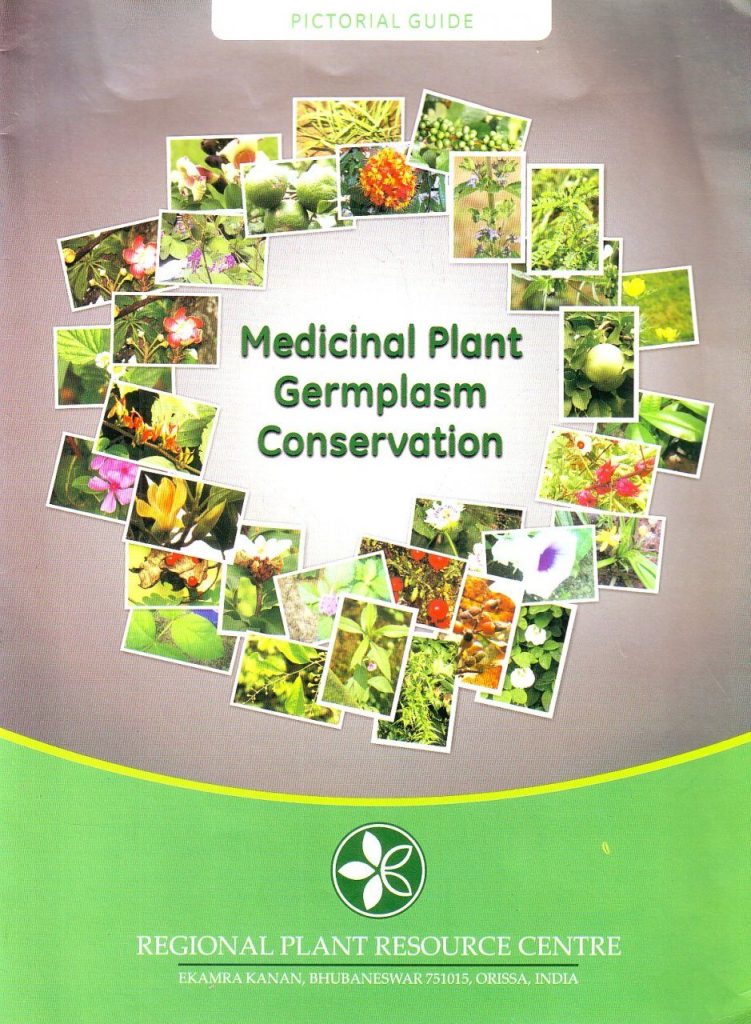
Finally, explore the various uses of your homegrown herbs in everyday life. You can make herbal teas, oils, and tinctures or simply use them to enhance your culinary creations. Consider starting a “herb of the week” routine, where you focus on one herb, learning its benefits and experimenting with it in your meals or home remedies. This not only broadens your culinary palette but also deepens your appreciation of the natural healing properties around you.
As you embark on this rewarding journey, you will discover that cultivating medicinal herbs is not just a hobby; it is a pathway to greater health and wellness right in your home. Embrace the opportunity to turn your kitchen into a vibrant hub of healing, and unlock the potential of homegrown herbal remedies.
DIVE DEEPER: Click here to learn how to cultivate your own herb garden sustainably
Selecting the Right Herbs for Your Garden
As you begin your journey into the cultivation of medicinal herbs, the first crucial decision revolves around selecting the right plants for your garden space. Different herbs offer unique benefits, and understanding their properties will help you tailor your choices to suit your health objectives. Here are some beginner-friendly herbs worth considering:
- Lavender – Beyond its delightful fragrance, lavender’s calming effects can reduce anxiety and improve sleep quality.
- Thyme – This versatile herb is recognized for its antioxidant properties and can support respiratory health.
- Ginger – Often used as a potent anti-inflammatory agent, ginger can help ease digestive discomfort and boost the immune system.
- Calendula – With its bright, cheerful flowers, calendula is renowned for its skin-soothing properties, often used in salves and creams.
- Rosemary – Not just a culinary delight, rosemary is associated with improved concentration and memory retention.
To ensure the success of your home garden, take note of your local climate and growing conditions. Each herb has its own specific requirements in terms of sunlight, water, and soil type. For instance, while herbs like basil thrive in warm, sunny areas, others such as mint prefer partial shade and well-draining soil.
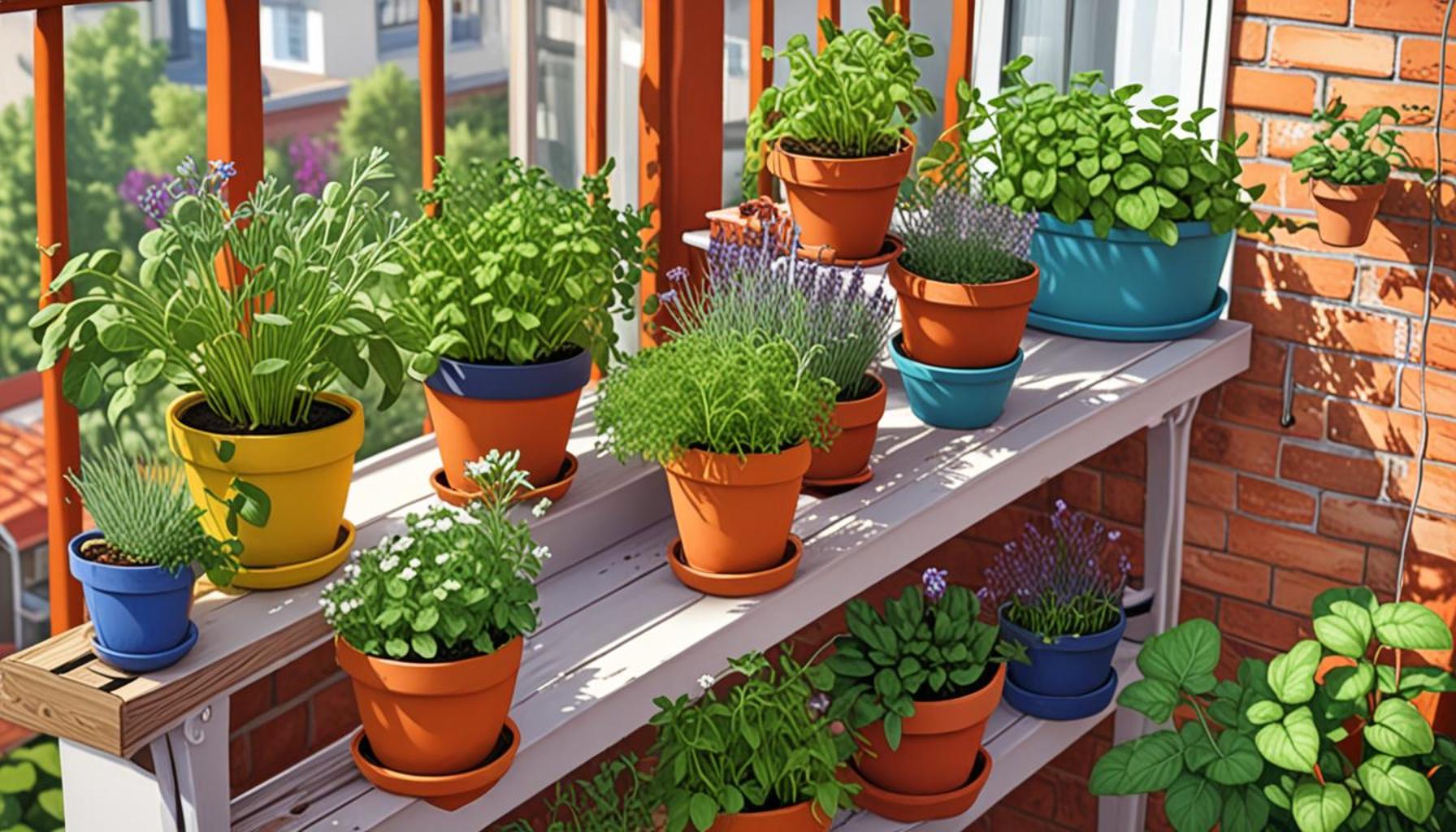
Once you have selected your herbs, the next step is to consider where to plant them. You can start small with a few containers on a windowsill or dedicate a space in your backyard or garden. Raised beds, pots, or even vertical gardens can provide excellent options for growing your herbs, particularly if you’re working within limited space. Utilizing organic potting soil rich in nutrients will set a solid foundation for healthy and robust plant growth.
Cultivation Basics to Consider
Upon selecting your herbs and preparing your planting area, you’ll want to familiarize yourself with the basic techniques for cultivating these medicinal plants. Here are several key practices to keep in mind:
- Watering – Most herbs prefer consistent moisture but dislike standing water. Check the soil regularly and water when the top inch feels dry.
- Pruning – Regularly pinch back the tips of your herb plants to encourage bushier growth and prevent flowering, which can often dilute flavor and potency.
- Fertilization – During the growing season, consider using organic fertilizers to provide essential nutrients, but avoid over-fertilizing, which can harm plant health.
- Pest Management – Utilize natural pest control methods, such as introducing beneficial insects or using organic sprays, to protect your herbs without harmful chemicals.
By mastering these fundamental cultivation techniques, you can create a thriving herb garden that not only beautifies your home but also provides you with potent, natural remedies at your fingertips. The next step in your herbal journey involves understanding how to harvest and use these plants effectively, ensuring you maximize the benefits of your homegrown medicinal herbs.
Understanding the Benefits of Medicinal Herbs
Medicinal herbs have gathered significant interest due to their potential health benefits and ease of cultivation at home. Many beginners might wonder how these natural remedies can enhance their well-being. Cultivating these herbs is not just an act of gardening; it is a gateway to discovering a more natural approach to health and wellness.
Easy Accessibility and Cost-Effectiveness
One of the major advantages of growing medicinal herbs at home is the accessibility to fresh, organic ingredients. Unlike store-bought alternatives that may be dried or processed, home-grown herbs retain their potency, allowing users to make remedies that are rich in essential oils and nutrients. This direct access can lead to significant savings on medicinal products, which can be both expensive and hard to find.
Connection to Nature and Improved Well-Being
Growing your own herbs fosters a connection to nature that can be incredibly therapeutic. Engaging in activities like gardening has been shown to reduce stress, promote relaxation, and improve mood. Moreover, the act of nurturing a plant and watching it grow can yield a sense of accomplishment and purpose, contributing positively to your overall mental health.
Enhanced Flavor and Nutrition
Cooking with fresh medicinal herbs like basil, thyme, or oregano not only adds flavor to your meals but also boosts their nutritional value. Many culinary herbs have medicinal properties that can aid digestion, enhance immune function, and provide essential vitamins and minerals. By incorporating these herbs into your diet, you can improve your overall health while enjoying delicious home-cooked meals.
Customizable Space and Options
Growing medicinal herbs at home allows for customization in terms of variety. Whether you have a spacious garden or just a small balcony, there are options to grow a multitude of herbs suited to your space. Choices like mint, chamomile, and lemon balm can easily thrive in pots or containers, making them accessible and manageable even for urban dwellers.
Discover More Through Our Informative Table
| Category | Key Benefits |
|---|---|
| Accessibility | Fresh and organic homegrown herbs enhance the effectiveness of homemade remedies. |
| Cost-Effectiveness | Growing your own medicinal herbs can save you money on expensive products. |
| Mental Wellness | Gardening activities contribute to stress reduction and improved mental well-being. |
| Culinary Enhancement | Fresh herbs improve flavor and nutrition in meals, promoting health benefits. |
| Customizable Options | Suitable varieties can thrive in any space, including small urban areas. |
As more individuals seek to take charge of their health, the cultivation of medicinal herbs at home remains a practical and rewarding endeavor. Explore the benefits and see how these incredible plants can transform your approach to health.
DISCOVER MORE: Click here to cultivate your gardening skills
Harvesting and Utilizing Your Medicinal Herbs
Now that your medicinal herb garden is flourishing, it’s time to explore how to properly harvest and utilize your plants for maximum benefits. Understanding the right techniques and timing for harvesting not only affects the potency of your herbs but also their flavor and medicinal properties.
When to Harvest
Timing is crucial when it comes to harvesting. Generally, the best time to harvest herbs is just before they flower, when their essential oils are most concentrated. For most herbs, early morning is the ideal time; during this time, moisture levels are lower, enhancing the flavor and aromatic qualities of the herbs. Tip: For herbs like rosemary and thyme, the foliage is typically most pungent when leaves are young and tender, so keep an eye on their growth to determine the best harvesting moments.
Harvesting Techniques
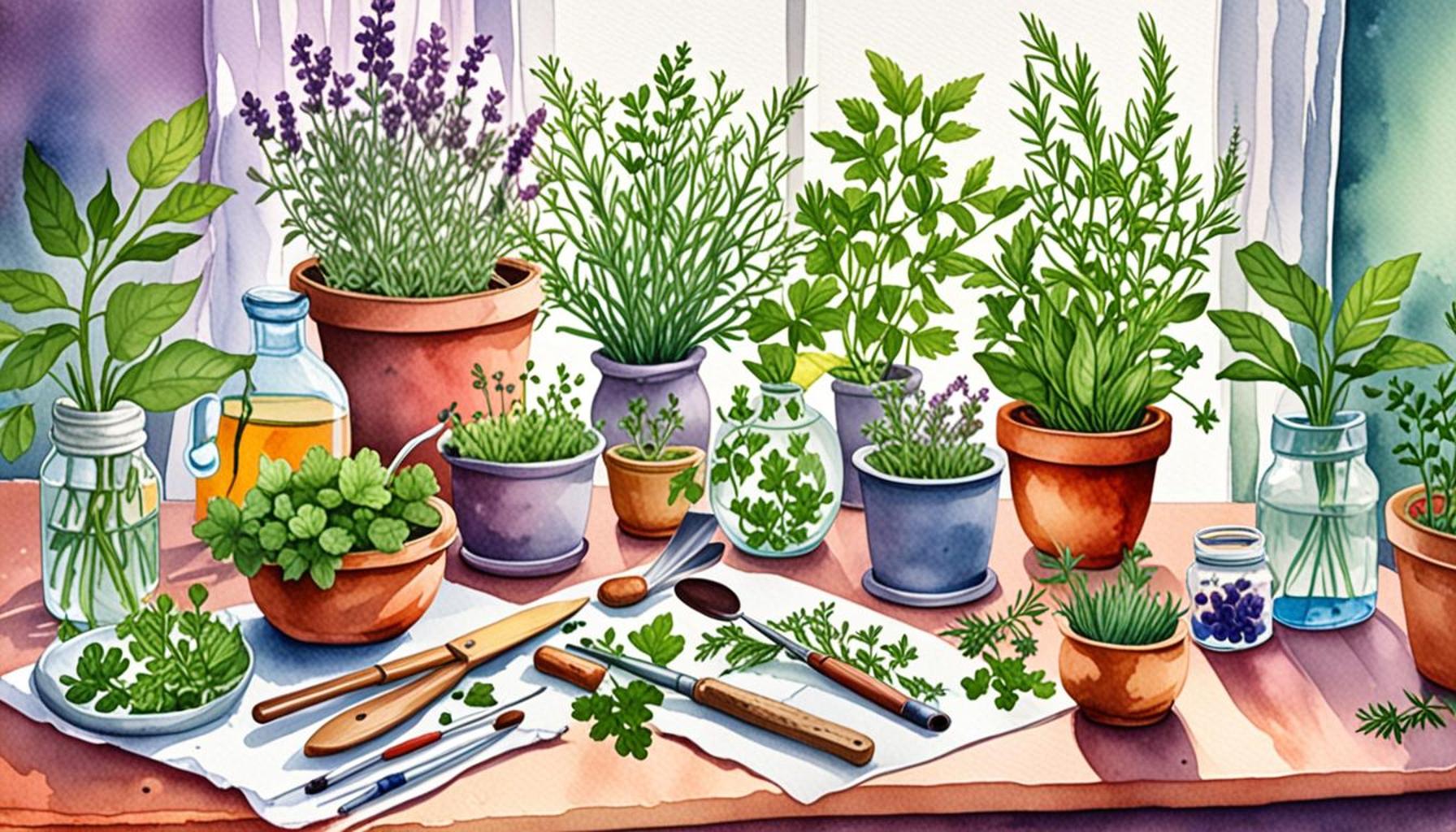
Using clean, sharp scissors or pruning shears is essential to prevent damage to your plants. Here are some harvesting techniques specific to different herbs:
- Leafy Herbs (Basil, Mint): Snip off the top few inches of the plant, making sure to leave enough foliage for the plant to continue growing.
- Woody Herbs (Rosemary, Thyme): Cut stems above a leaf node to promote bushier growth. This ensures the plant can regenerate well.
- Flowers (Calendula, Lavender): Harvest when blossoms are in full bloom but before wilting; this captures the essential oils at their peak.
Always remember to harvest sustainably by taking only what you need, allowing the plant to continue to thrive and produce.
Drying and Storing Herbs
Once harvested, herbs can be used fresh or dried for longer storage. Drying helps maintain the potency of the medicinal properties. To dry herbs, hang bundles upside down in a cool, dark, and well-ventilated area. After a few weeks, crunchy leaves can be crumbled into airtight containers for preservation. Labeling jars with dates ensures you use your dried herbs while they are still potent. Keep in mind: Proper storage away from sunlight and moisture is essential for maintaining flavor and efficacy.
Using Medicinal Herbs
Medicinal herbs can be utilized in various ways, from teas to topical applications. Here are some popular uses:
- Teas: Steep fresh or dried leaves in hot water to create herbal infusions. For example, chamomile tea can help with relaxation and sleep.
- Tinctures: Extract the medicinal properties of herbs through alcohol or vinegar. These concentrated liquid extracts can be taken in small doses for quick relief.
- Salves and Creams: Infused oils from herbs like calendula can be mixed with beeswax to create soothing salves for skin issues.
- Cooking: Many herbs, such as thyme and rosemary, can be added to recipes for both flavor and health benefits, enhancing your meals and promoting wellness.
With a little experimentation, you will discover which methods resonate most with you. As you familiarize yourself with different ways to utilize your homegrown herbs, you can tailor your practices to fit your personal health goals and preferences.
The knowledge of harvesting and utilizing medicinal herbs opens a new door in your journey towards holistic healing and wellness. The more you cultivate and utilize your herbs, the more you unlock the potential benefits that these natural remedies can offer.
DISCOVER MORE: Click here for essential potting tips
Conclusion
In conclusion, the journey of growing and utilizing medicinal herbs at home is not only a rewarding venture but also a step towards embracing a more natural and holistic lifestyle. By following the guidelines outlined in this beginner’s guide, you have equipped yourself with the foundational knowledge necessary to cultivate a diverse range of herbal plants that can yield both culinary delights and health benefits.
From understanding the ideal harvesting times to mastering the techniques for drying and storing, the process of caring for your herb garden opens up a world of possibilities. Whether you’re brewing soothing teas or crafting potent tinctures, each use serves as a testament to the rich traditions surrounding herbal medicine. Additionally, your ability to incorporate these herbs into your daily cooking elevates your meals while providing valuable nutrients and therapeutic properties.
As you embark on this herbal journey, consider taking further steps to deepen your knowledge. Exploring more advanced cultivation methods, such as companion planting or organic pest management, can enhance your gardening experience. Furthermore, delving into the rich historical and cultural contexts of the herbs you choose will enrich your understanding and connection to nature.
Take the time to experiment, discover what works best for you, and share your newfound skills and knowledge with others. In doing so, you not only nurture your own well-being but also contribute to a growing appreciation for the power of herbal remedies in modern life. The path to wellness through homegrown herbs is an exciting one—embrace it with confidence and curiosity.