Regenerative Gardening Practices: Transforming Your Garden into a Sustainable Ecosystem

The Rise of Regenerative Gardening
Gardening practices have undergone a remarkable transformation in recent years as awareness of environmental stewardship and sustainability has grown. Regenerative gardening stands at the forefront of this movement, shifting the focus from cultivating visually appealing plants to fostering an ecosystem that thrives on ecological balance. By integrating practices that enhance both plant growth and environmental health, regenerative gardening paves the way for gardeners to actively participate in the preservation of nature.
Understanding the Principles
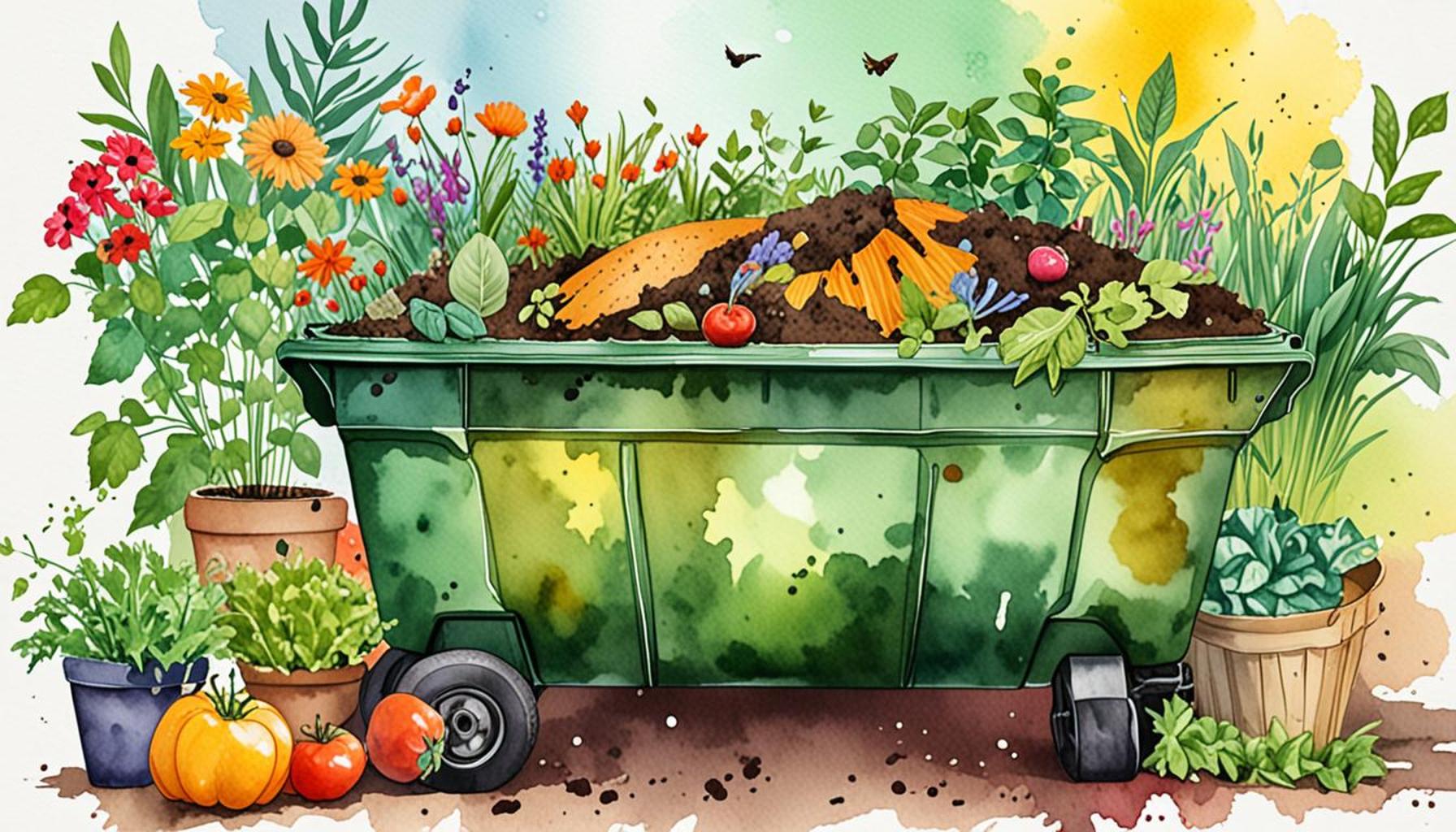
At the heart of regenerative gardening are a few foundational principles that can drastically alter the health of your landscape. One major consideration is soil health. Healthy soil is alive with microorganisms that are vital for nutrient cycling. For instance, engaging in composting by using kitchen scraps or yard debris allows gardeners to enrich their soil with organic matter. Moreover, minimizing tillage helps maintain soil structure, preventing erosion and the loss of important nutrients. Research indicates that healthy soils can sequester carbon, effectively helping to mitigate climate change locally and globally.
Diversity is another critical element. Incorporating a variety of plants, particularly native species, can encourage a more resilient garden setting. For example, planting flowers alongside vegetables attracts beneficial pollinators and predatory insects that help control pests naturally. Companion planting strategies, like pairing tomatoes with basil, not only enhance flavor but also improve plant health through mutual benefits. Such diversity not only maintains garden vitality but also supports local wildlife, creating a bustling habitat.
Water Conservation Techniques
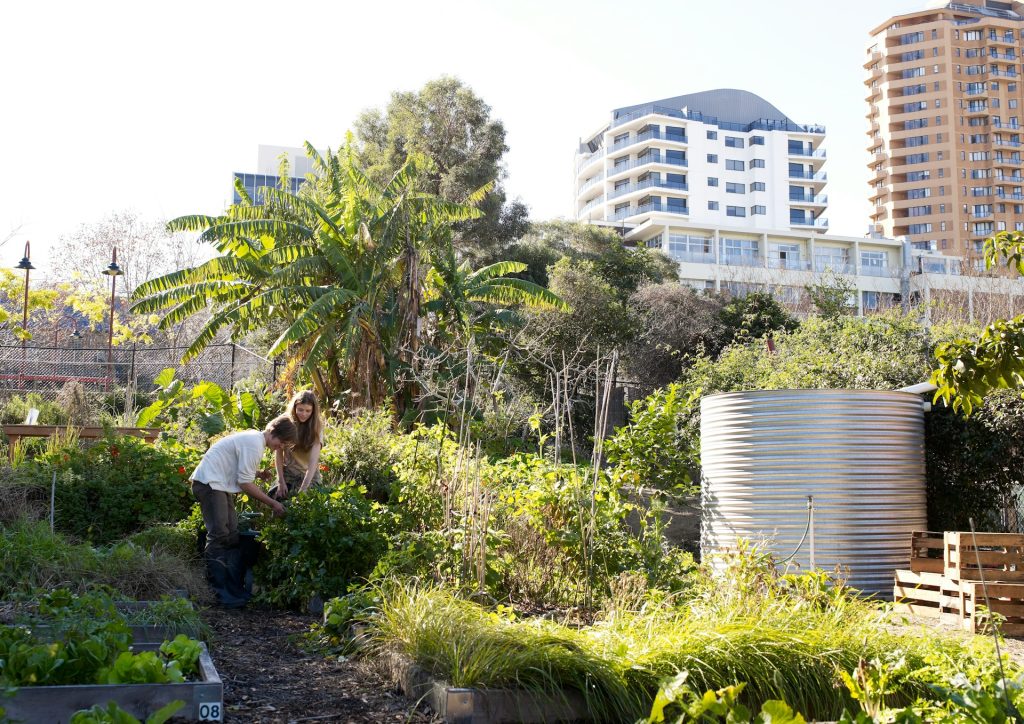
Effective water management is vital, particularly in areas prone to drought. Implementing rainwater harvesting systems, such as barrels that collect runoff, allows gardeners to conserve water while nurturing their gardens. Efficient irrigation methods, like drip systems, deliver water directly to plant roots with minimal loss. This approach not only reduces waste but also encourages deeper root growth, leading to more resilient plants capable of thriving during dry spells.
The impact of regenerative gardening extends beyond personal gardens. By adopting these sustainable practices, gardeners across the United States can create healthier ecosystems and contribute to the fight against climate change. Furthermore, community initiatives that promote regenerative gardening can inspire collective action, highlighting the interconnectedness of our actions and the environment.
Are you ready to engage in regenerative gardening and make a difference? The journey begins with a commitment to ecological health, leading to a vibrant, sustainable future where both plants and the ecosystem flourish. Exploring local resources—such as community gardens or educational workshops—can also provide valuable insights and support as you embark on this rewarding initiative.
DISCOVER MORE: Click here to learn about cultivating native plants
Embracing Regenerative Gardening Practices
As the world grapples with environmental challenges, regenerative gardening practices offer an innovative solution, enabling gardeners to promote biodiversity and restore ecological balance. This approach transcends traditional gardening techniques by emphasizing a holistic view of the garden as an interconnected ecosystem. To harness the full potential of regenerative gardening, it is essential to understand a range of practices and the fundamental benefits they confer.
Soil Health: The Foundation of a Thriving Garden
Soil health is paramount in fostering a thriving garden. Rich, organic soil acts as a reservoir of nutrients that can support lush plant growth. To achieve this, gardeners can establish several essential practices:
- Composting: Implementing a composting system using kitchen scraps, yard waste, and even leaves enriches the soil with organic matter essential for the microbial community.
- Cover Crops: Planting cover crops, such as clover or rye, during off-seasons can improve soil structure, prevent erosion, and enhance nutrient availability while reducing weed growth.
- Mulching: Applying organic mulch not only helps retain moisture but also suppresses weeds and contributes to the gradual enrichment of the soil as it decomposes.
The implications of nurturing healthy soil extend beyond mere aesthetics. Healthy soil has the ability to sequester carbon, actively participating in global climate mitigation efforts. Researchers show that engaging in regenerative practices can increase soil carbon content, reducing the overall carbon footprint of your gardening efforts.
Encouraging Biodiversity within Your Garden
Diversity serves as another cornerstone of regenerative gardening. A garden filled with a variety of plant species can create a more resilient ecosystem capable of resisting pests and disease while also attracting beneficial insects. For example, incorporating native plants provides food and habitat for local wildlife, including pollinators crucial for fruit and vegetable production.
Utilizing companion planting strategies is an effective way to enhance garden biodiversity. Pairing crops such as tomatoes with basil can yield mutual benefits, such as improved pest resistance and enhanced flavor for your harvest. Additionally, designing your garden layout to include vertical growing options together with horizontal beds can optimize space and create microclimates conducive to a diverse array of plants.
Moreover, creating “wild corners” in your garden, filled with native grasses, flowering plants, and herbs can significantly boost local biodiversity. These areas can act as sanctuaries for beneficial bugs and pollinators while helping maintain a balanced ecosystem.
As individuals embrace regenerative gardening practices, they empower not only their gardens but also their surrounding communities. Each successful regenerative garden can act as a model, inspiring neighbors and sparking interest in sustainable gardening initiatives. By sharing knowledge and resources, communities can collaborate to enhance the ecological health of their local environments. The trend towards regenerative gardening is not just a personal journey; it’s a collective commitment to fostering our planet’s well-being.
As we dive deeper into the world of regenerative gardening practices, it’s essential to understand the multifaceted benefits this approach can provide for both individual gardens and the global ecosystem. Implementing techniques that mimic natural processes not only enhances biodiversity but also improves soil health and sequesters carbon, addressing a critical need in the fight against climate change.One key practice in regenerative gardening is composting. By recycling organic waste, gardeners can create rich, nutrient-dense soil that nourishes plants without the use of synthetic fertilizers. This closed-loop system fosters healthy microorganisms and contributes to a thriving ecosystem. Moreover, composting reduces landfill waste, further contributing to sustainability.Another integral aspect is the use of cover crops. These plants, grown primarily to cover the soil rather than for harvest, play a vital role in preventing erosion, enhancing soil fertility, and managing weeds naturally. When incorporated into crop rotation, cover crops can significantly enhance nutrient cycling and improve overall soil structure. By fostering a vibrant microbial community, these practices encourage plant resilience against pests and diseases.Furthermore, embracing permaculture design principles can transform an ordinary garden into a well-balanced ecosystem. This holistic design methodology considers the interconnections between plants, animals, and environmental conditions, allowing for diverse planting strategies. For instance, companion planting not only maximizes space but also creates symbiotic relationships that enhance growth and pest resistance.Additionally, a focus on native plants in regenerative gardening encourages local wildlife, particularly pollinators, to thrive. By understanding the specific needs of these species, gardeners can create habitats that support biodiversity. These practices ultimately yield healthier plants, which can provide food for families while enhancing the beauty and functionality of outdoor spaces.To illustrate these concepts further, below is a table summarizing key advantages of regenerative gardening practices:
| Category | Advantages |
|---|---|
| Soil Health | Improves nutrient availability and fosters a robust microbial community. |
| Biodiversity | Encourages the presence of beneficial insects and pollinators, creating a balanced ecosystem. |
By adopting regenerative gardening practices, individuals can contribute to a more resilient environment while reaping the many benefits for their gardens, ultimately creating a sustainable ecosystem that thrives on mutual growth and ecological balance.
DIVE DEEPER: Click here to discover the benefits of native plants
Water Conservation and Management
In the pursuit of sustainable gardening, water conservation emerges as a critical aspect of regenerative practices. Efficient water management not only helps ensure that plants thrive, but it also minimizes environmental impact by reducing runoff, erosion, and pollution.
Implementing Rainwater Harvesting
One effective way to conserve water in your garden is to implement a rainwater harvesting system. This practice entails collecting rainwater from roofs and directing it to storage barrels. According to the U.S. Environmental Protection Agency (EPA), harvesting rain can potentially save homeowners over 1,300 gallons of water during peak summer months, depending on rainfall patterns and roof size.
Once collected, this water can be used to irrigate plants during dry periods, ensuring they receive adequate moisture without straining municipal water supplies. Additionally, capturing rainwater reduces stormwater runoff, thereby decreasing the potential for stream pollution and flooding.
Utilizing Permeable Surfaces
Incorporating permeable surfaces in your garden design, such as gravel pathways or permeable pavers, can also dramatically enhance water management. These surfaces allow rainwater to seep into the ground, replenishing the groundwater table while reducing surface runoff. By allowing rainwater to percolate into the soil, you promote groundwater recharge and help sustain diverse plant life in your garden.
Incorporating Permaculture Principles
Permaculture is a design philosophy rooted in the observation of natural ecosystems, promoting practices that harmoniously interact with the environment. When applied to gardening, permaculture principles foster sustainable land use, which can include:
- Zone Planning: Arranging the garden into distinct zones allows for effective management of resources. For example, placing high-maintenance plants closer to your home reduces energy expenditures and time spent on care.
- Polyculture: Growing multiple species in proximity can naturally deter pests and diseases while enhancing soil fertility by utilizing diverse root structures that reach different soil depths.
- Food Forests: Creating a food forest, where fruits, nuts, and vegetables grow together mimicking a natural forest ecology, can maximize space and yield while contributing to biodiversity.
By integrating these principles into regenerative gardening practices, individuals can create multifunctional landscapes that are self-sustaining, providing food, habitat, and recreation while minimizing the use of chemical inputs and energy.
Community Engagement and Education
Regenerative gardening is not just about solitary efforts; community involvement amplifies its effects. Gardeners can engage with local organizations to share knowledge through workshops, community gardens, and educational initiatives. Such collaborative efforts can help spread awareness of sustainability, encouraging more gardeners to adopt regenerative practices.
Moreover, local governments and non-profits often host programs that offer resources, including grants and materials for sustainable gardening projects. By actively participating in such community programs, gardeners can network with like-minded individuals and foster a more resilient environmental movement.
As regenerative gardening continues to gain traction, the shift towards sustainable ecosystems becomes ever more feasible. By embracing water conservation strategies, applying permaculture principles, and cultivating community involvement, gardeners can significantly reduce their ecological impact while nurturing vibrant and productive landscapes.
DISCOVER MORE: Click here for tips on cultivating native plants
Conclusion
In summary, regenerative gardening practices serve as a beacon of hope in the quest for sustainable ecosystems and environmental stewardship. By adopting methods such as water conservation, implementing innovative techniques like rainwater harvesting, and utilizing permeable surfaces, gardeners can create a harmonious balance between nature and human activity. Furthermore, embracing permaculture principles not only fosters biodiversity but also enhances the resilience of gardens against pests and climate variability.
The journey towards transforming your garden into a self-sustaining ecosystem is enriched through community engagement and education. Collective efforts and knowledge-sharing can amplify the impact of regenerative practices, inspiring others to join in this movement for a greener planet. Local organizations and community gardens provide platforms for collaboration, turning individual initiatives into a powerful collective force for change.
As awareness of the necessity for sustainable practices grows, so too does the motivation for individuals to explore their own gardens’ potential. The impact that regenerative gardening can have on the environment is immense—enhancing local biodiversity, improving soil health, and contributing to the mitigation of climate change effects. By taking small steps in our gardening efforts, we can cultivate not just plants, but also a more resilient future.
The challenge now lies in translating the knowledge and practices available into meaningful changes in our gardens. Whether you’re a seasoned gardener or just starting, engaging with these regenerative practices offers a rewarding path to nurturing your garden while protecting the planet. Explore, experiment, and enjoy the beauty of transformation!