Using Homemade Compost to Fertilize Your Sustainable Garden
The Miracle of Composting
Transforming kitchen scraps and yard waste into nutrient-rich fertilizer is not only environmentally friendly but also an innovative way to enhance your garden. Homemade compost can serve as a sustainable alternative to chemical fertilizers, rejuvenating your soil and promoting healthy plant growth. Many gardeners are making the shift toward composting as they realize the multitude of benefits it brings to their gardens and the environment.
By committing to the composting process, you engage in a rewarding cycle that benefits both your garden and our planet. Here are a few compelling reasons to consider:
- Reduces Waste: Composting diverts organic waste from landfills, where it takes up space and contributes to harmful methane gas emissions. According to the EPA, food scraps and yard waste together constitute over 28% of what we throw away, making composting a simple and effective way to minimize our ecological footprint.
- Nutrient-Rich: Compost acts as a natural source of nitrogen, phosphorus, and potassium, vital nutrients that plants require for growth. This means that when you enrich your soil with compost, you’re providing a complete package of nutrition that encourages robust plant health, vibrant flowers, and bountiful harvests. Many experienced gardeners consider homemade compost as the lifeblood of their soil.
- Improves Soil Structure: Beyond just nurturing plants, compost enhances soil structure. It increases moisture retention, which is especially important during dry months, and improves aeration, allowing roots to grow deeper and healthier. Well-composted soil also promotes biodiversity by supporting earthworms and beneficial microbes, creating a thriving ecosystem beneath the surface.
Whether you’re a seasoned gardener or just starting out, integrating compost into your gardening routine can lead to bountiful harvests and a thriving ecosystem. For instance, vegetable gardens that incorporate compost often yield healthier produce, such as tomatoes and zucchini, which are not only tastier but also have a longer shelf life. With a little patience and the right techniques, your sustainable garden can flourish using resources right from your home.
In the following sections, we will explore how to create homemade compost, the best materials to use, and the various ways to apply it in your garden for optimum results. This journey into composting not only nurtures your garden but, in turn, fosters a deeper connection with nature and promotes conservation practices that are crucial in today’s climate.”
DIVE DEEPER: Click here to learn about the benefits of native plants
Crafting Your Own Compost: A Simple Guide
Creating homemade compost is a straightforward and rewarding process that allows you to recycle organic materials while enriching your garden. Whether you’re using kitchen scraps or yard waste, the key lies in understanding the basic principles of composting and knowing which materials contribute to a balanced compost pile.
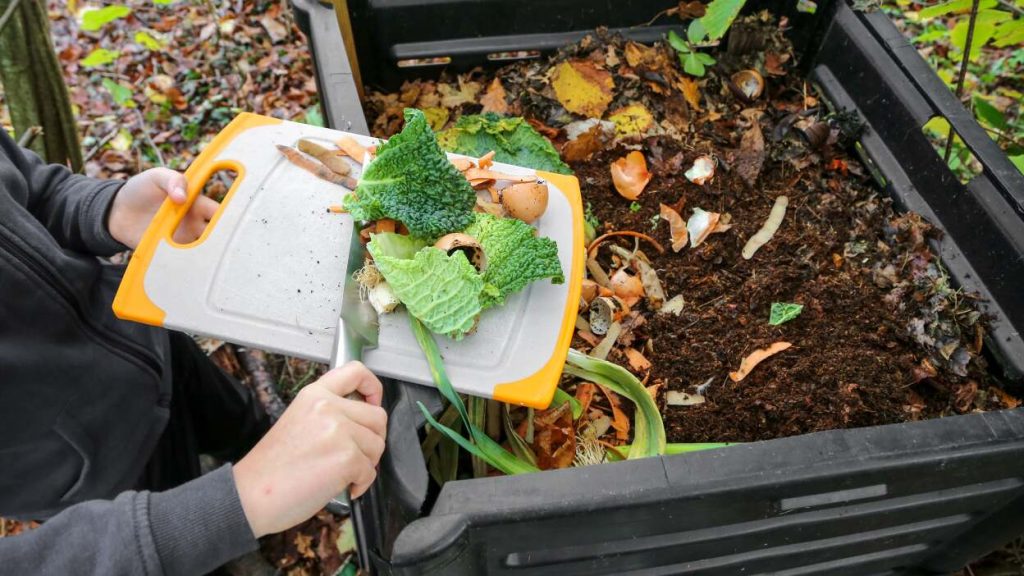
To get started, consider setting up a designated compost bin or pile in your backyard. This can be as simple as a wire enclosure or an environmentally friendly composter bought from a local garden store. Here are some essential steps to embark on your composting journey:
- Choose the Right Materials: A successful compost blend requires a balance of “greens” and “browns.” Greens are nitrogen-rich materials such as kitchen scraps (vegetable peels, coffee grounds, and eggshells), while browns are carbon-rich elements like dried leaves, straw, and cardboard. Aim for a ratio of about 2:1 browns to greens for optimal decomposition.
- Layering is Key: When building your compost pile, layer the materials in alternating sections of greens and browns, starting with a base of coarse browns to promote airflow. This layering technique helps facilitate even decomposition and minimizes odors.
- Moisture Matters: Keep the compost pile damp but not soggy. A well-hydrated pile invites beneficial microbes and worms that hasten the composting process. If it appears too dry, add water, and if it is too wet, include more dry materials.
- Aerate Your Compost: To speed up decomposition, periodically turn the pile with a shovel or pitchfork. This action introduces oxygen, which is vital for the microorganisms that break down the organic matter. Aerating every few weeks can significantly reduce the time it takes for your compost to mature.
- Patience is Essential: Composting takes time, often ranging from a few weeks to several months. You’ll know your compost is ready when it resembles dark, crumbly soil and has an earthy smell. Pay attention to the temperature; a healthy compost pile generates heat as bacteria work, but it will cool down when decomposition reaches its peak.
As you create your homemade compost, it’s important to be mindful of what not to include. Avoid materials such as meat, dairy, and oily foods, which attract pests and create odor issues. Additionally, processed or chemically-treated materials can introduce harmful substances into your compost, negating its benefits.
By embracing these simple steps, you will not only contribute to environmental sustainability but also cultivate a garden that thrives on nutrient-rich, homemade compost. This practice encourages biodiversity, enhances flavor in homegrown produce, and promotes healthier plant growth, making your sustainable garden a flourishing success.
| Advantages | Details |
|---|---|
| Cost-Effective | Using homemade compost significantly reduces the need for store-bought fertilizers, saving you money. |
| Environmental Benefits | Composting helps reduce landfill waste and lowers greenhouse gas emissions by recycling organic materials. |
| Nutrient-Rich | Homemade compost contains essential nutrients and microorganisms vital for a thriving soil ecosystem, promoting healthier plants. |
| Improves Soil Structure | It enhances soil aeration and water retention capabilities, leading to more resilient and productive gardens. |
Using homemade compost not only serves as an excellent fertilizer but also aligns perfectly with the philosophy of sustainable gardening. By taking this initiative, gardeners not only enrich their plots but also participate in a greater environmental cause. With every shovel of rich, dark compost, you support soil health, nurturing a diverse habitat for organisms that work tirelessly to maintain the ecosystem. Furthermore, the flexibility in achieving the right balance of ingredients allows you to tailor your compost to suit specific plant needs. Embrace this age-old practice to cultivate a garden that thrives naturally while contributing positively to the planet.
DISCOVER MORE: Click here to learn about the benefits of native plants
The Benefits of Using Homemade Compost
Integrating homemade compost into your sustainable garden is not just an environmentally friendly choice but also a decision that profoundly affects your soil health, plant growth, and overall ecosystem. Understanding the myriad benefits of composting can inspire even the most novice gardener to embrace this rewarding practice.
One significant advantage of homemade compost is its ability to improve soil structure. Unlike synthetic fertilizers that can lead to soil compaction, adding compost enhances the physical properties of the soil. As compost is mixed into the soil, it helps create a crumbly texture that increases aeration and drainage. This improvement allows roots to penetrate more easily in search of nutrients and moisture, fostering robust plant growth.
Moreover, compost acts as a natural slow-release fertilizer. Unlike chemical fertilizers that sometimes cause nutrient surges that can be detrimental to plants, homemade compost releases nutrients gradually. This slow release provides a steady supply of essential elements like nitrogen, phosphorus, and potassium. The result? Healthier plants with minimized risk of nutrient burn, leading to vibrant growth, beautiful blooms, and more bountiful harvests.
Another compelling reason to utilize homemade compost is its positive impact on microbial life. Healthy soil teems with microorganisms that play critical roles in nutrient cycling, disease suppression, and organic matter decomposition. Compost is rich in beneficial bacteria, fungi, and other microbes that, when introduced to your garden soil, help create a thriving ecosystem. This biodiversity increases resilience against pests and diseases, reducing the need for chemical treatments.
In addition to improving the biology of your garden, compost contributes to better moisture retention. Soils enriched with compost can hold significant amounts of water, which is particularly beneficial during dry spells or in regions prone to drought. This characteristic makes compost an invaluable resource, enabling plants to access moisture more effectively and reducing the frequency of watering needed in your sustainable garden.
It’s also worth noting that using homemade compost is a savvy way to reduce landfill waste. In the United States, organic waste comprises a substantial portion of total waste. By composting your kitchen scraps and yard waste, you not only divert waste from landfills but also transform it into a resource for your garden. This circular approach to waste management highlights the principles of sustainability and underscores the interconnectedness of human activity and environmental health.
Finally, one cannot overlook the economic benefits of crafting homemade compost. Investing in commercial fertilizers can add up quickly, especially for gardeners cultivating large plots or practicing intensive gardening techniques. By embracing homemade compost, you eliminate this recurring expense while simultaneously enhancing the health and productivity of your plants. Imagine nurturing your garden with materials sourced from your own home—this not only saves money but also fosters a greater connection to the growth process.
In short, using homemade compost to fertilize your sustainable garden offers a multitude of advantages that enhance the physical, biological, and economic aspects of your gardening experience. With its ability to improve soil structure, support healthy microorganisms, retain moisture, and reduce waste, homemade compost lays the foundation for a flourishing garden that thrives on sustainability.
DISCOVER MORE: Click here to learn about the benefits of native plants
Final Thoughts on Homemade Compost in Sustainable Gardening
In concluding our exploration of using homemade compost to fertilize your sustainable garden, it becomes evident that this practice transcends mere gardening. It is an essential pillar of a holistic approach to cultivating healthy ecosystems right in your backyard. By transforming kitchen scraps and yard waste into nutrient-rich compost, gardeners not only enrich their soil but also contribute to a more sustainable and resilient environment.
The myriad benefits—from enhancing soil structure to supporting microbial life and improving moisture retention—demonstrate that homemade compost serves as a natural solution to some of the common challenges faced by gardeners today. Moreover, the economic savings it provides underscores the practicality of adopting this eco-friendly approach. With each handful of compost, you are participating in a circular economy that reduces landfill waste and positively impacts our planet.
As interest in sustainable practices continues to grow across the United States, engaging in homemade composting can empower gardeners of all experience levels. So whether you’re cultivating a bustling vegetable patch in California or a quaint flower garden in the Midwest, prioritizing composting can lead to healthier plants and, ultimately, a healthier planet.
By considering homemade compost as an integral part of your gardening routine, you not only nurture your plants but also become an active participant in a global movement toward sustainability. It’s time to embrace the art of composting and witness the transformative power it can bring to your sustainable garden.